
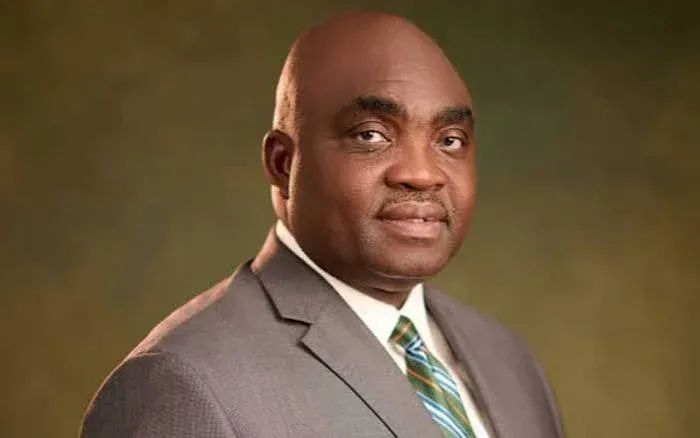
The Director-General of the Infrastructure Concession Regulatory Commission (ICRC), Jobson Ewalefoh, has called on governments across West Africa to deepen collaboration with the private sector through Public-Private Partnerships (PPPs) to address the region’s growing infrastructure deficit.
Speaking during a panel session at the ECOWAS Infrastructure Forum in Abidjan, Côte d’Ivoire, Ewalefoh said relying solely on government funding is no longer sufficient to provide essential infrastructure such as roads, railways, housing and water facilities needed to stimulate sustainable economic development.
His remarks were contained in a statement issued on Sunday by the ICRC’s Acting Head of Media and Publicity, Ifeanyi Nwoko.
Ewalefoh noted that the scale of infrastructure needs across West Africa demands increased private sector participation, describing PPPs as a practical and sustainable means of attracting long-term investment while improving project delivery.
He explained that PPPs have grown beyond being just another procurement option and have become an important development strategy that enables governments to tap into private capital, innovation and technical expertise while ensuring risks are appropriately shared.
Citing figures from the African Development Bank Group, Ewalefoh said Africa requires between $130 billion and $170 billion annually to meet its infrastructure needs but still faces a financing gap estimated at $68 billion to $108 billion each year.
According to him, this funding shortfall continues to slow economic growth, regional trade and industrialisation, leaving many African countries with inadequate transport systems, unstable electricity supply, poor water infrastructure and housing shortages.
The ICRC chief also highlighted the role of unsolicited proposals from private investors, saying they offer governments an opportunity to expand infrastructure projects beyond those initiated through the conventional PPP procurement process.
He explained that under this arrangement, private firms identify viable infrastructure projects, finance project development themselves and assume the associated risks, easing the financial pressure on governments.
Ewalefoh, however, emphasised that unsolicited proposals are intended to complement, not replace, the traditional procurement process, particularly where governments lack the resources needed to prepare major infrastructure projects.
Govts Alone Cannot Finance Infrastructure, Says ICRC DG
145