
The growing people-to-people ties between Nigeria and China took centre stage in Abuja on Saturday as cultural enthusiasts and officials gathered to experience Chinese traditions, customs and ways of life.
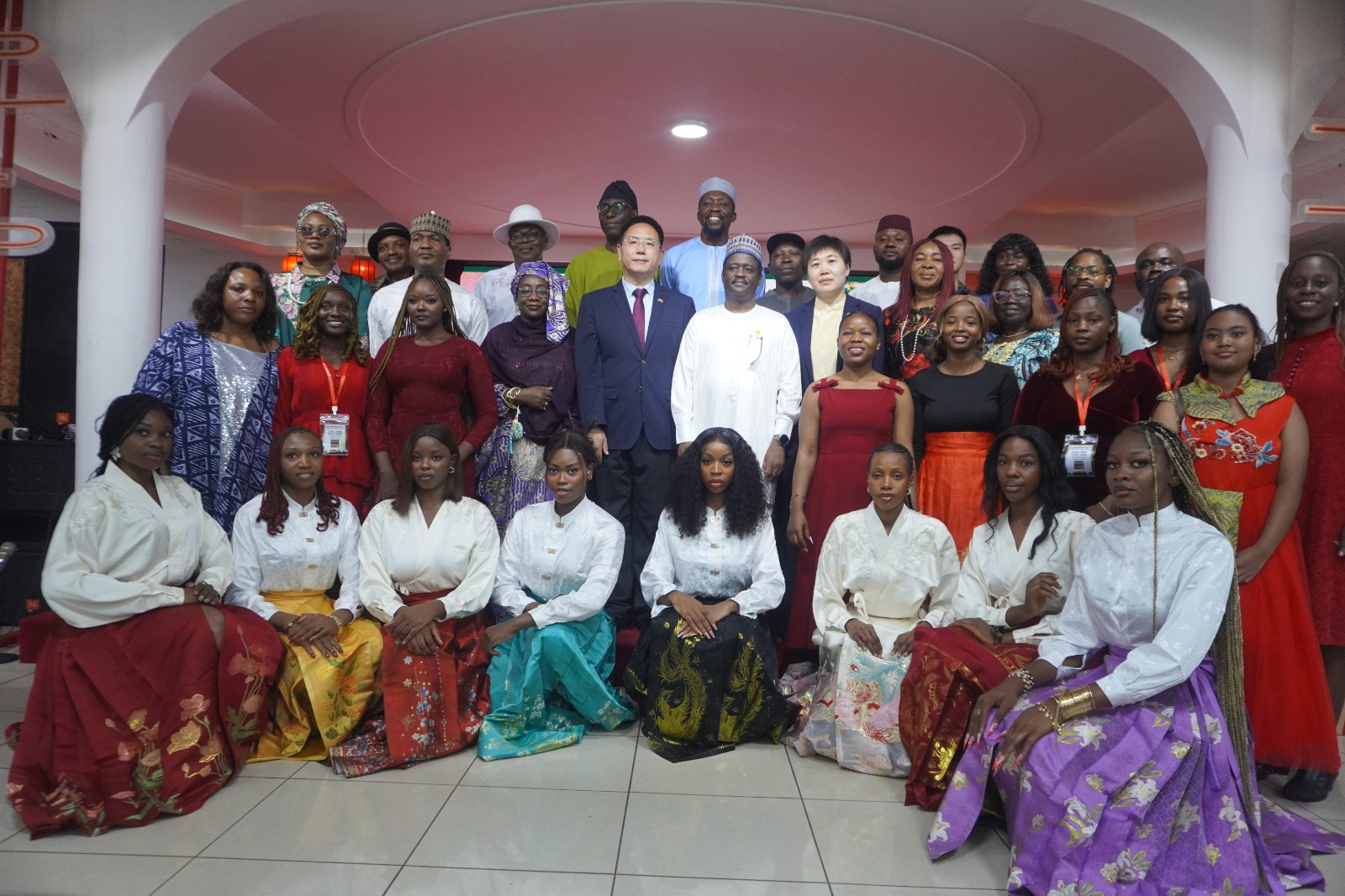
The 2026 “Seasonal Life & Harmonious China” Cultural Exhibition, held at the China Cultural Centre in Abuja, used traditional performances, cultural displays and interactive activities to demonstrate how cultural exchange can foster greater understanding between societies.
At the heart of the exhibition was the idea that Nigerians and Chinese, despite differences in language and traditions, share values centred on family, community, respect for nature and harmonious living.
Cultural Counsellor and Director of the China Cultural Centre in Abuja, Yang Jianxing, said cultural relations had become an increasingly important part of the Nigeria-China partnership.
According to Yang, the cultural connection was particularly significant in 2026, which marks 55 years of diplomatic relations between Nigeria and China and has been designated the China-Africa Year of People-to-People Exchanges.
He said cooperation between the two countries had expanded across culture, education, tourism and youth development, providing more opportunities for Nigerians and Chinese citizens to understand each other.
Yang explained that the exhibition was designed around the traditional Chinese practice of organising life around seasonal changes. A key element of the programme was the Twenty-Four Solar Terms, an ancient system used to understand changes in nature and their impact on agricultural and everyday life.
He said the principles behind the solar terms, including respect for nature, careful use of resources and harmonious coexistence, also have parallels in Nigerian cultural traditions.
The exhibition therefore served not only as a presentation of Chinese heritage but also as a platform for identifying areas of cultural similarity between the two countries.
Deputy General Manager of China Intercontinental Press and Media Limited, Guan Hong, described the programme as an example of how cultural engagement can help bridge differences and promote mutual understanding.
Guan said the exhibition was linked to Liqiu, the traditional Chinese solar term marking the beginning of autumn and a period associated with crop maturation and the expectation of harvest.
She said the theme was appropriate for an event focused on cultural exchange, cooperation and the shared hopes of the Nigerian and Chinese peoples.
Visitors were taken through five interactive sections featuring different dimensions of Chinese life, including traditional customs, clothing, food, architectural craftsmanship and wellness practices.
The Permanent Secretary of the Federal Ministry of Innovation, Science and Technology, Dr Mukhtar Yawale Muhammed, said the exhibition also reflected the broader transformation taking place in Nigeria-China relations.
Muhammed noted that cooperation between the two countries was no longer limited to traditional economic activities, but was increasingly extending to agriculture, scientific research, technology and innovation.
The Abuja exhibition thus provided a cultural window into China while reinforcing the growing emphasis on people-to-people connections as an important pillar of Nigeria-China relations.
Nigeria-China Cultural Exchange Deepens as Abuja Exhibition Showcases Shared Values
93