
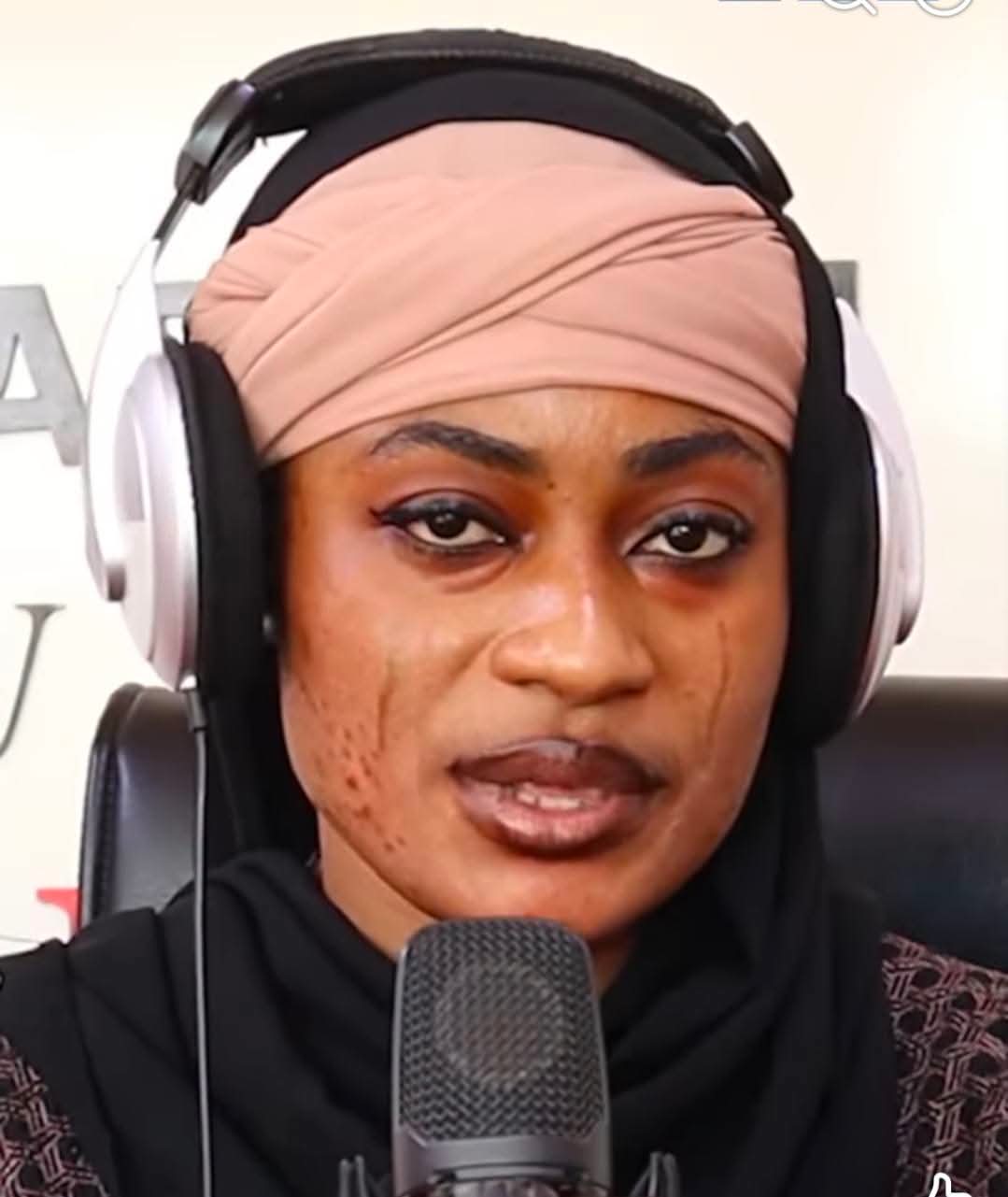
Amnesty International has raised fresh concerns over the continued attempts by the police to arrest journalist Zainab Salihu Yabagi over a video explainer concerning Ibrahim Kabir Masari, Special Adviser to President Bola Tinubu on Political Affairs.
The human rights organisation described the development as a clear disregard for due process and an abuse of police powers, warning that the case could further undermine press freedom in Nigeria.
Ms Yabagi has been at the centre of a police investigation following the publication of the video explainer by JKD Radio and Television.
The Kaduna State Police Command had declared the journalist wanted in connection with the matter.

The development followed a police operation at JKD TV and Hamada Radio Network in Millennium City, Kaduna, during which heavily armed policemen reportedly stormed the station and arrested its General Manager, Charles Abah, and a security guard.
Amnesty had condemned the raid as “unlawful and outrageous”, saying the police claimed they were acting on instructions to arrest Yabagi.
The organisation also said Yabagi’s husband was arrested by the police in connection with the matter.
In its latest intervention, Amnesty said it remained deeply concerned that the police were still seeking to arbitrarily arrest the journalist over the video concerning Masari. It said the continued pursuit of Ms Yabagi demonstrated a troubling disregard for due process and raised questions about the use of state security machinery against journalists.
“Amnesty International is deeply concerned that police are still seeking to arbitrarily arrest journalist Zainab Salihu Yabagi over a video explainer on Mr. Ibrahim Masari — an aide of President Bola Tinubu,” the organisation said.
“This is a clear case of disregard for due process and abuse of power.”
Amnesty said the case should not be viewed in isolation, arguing that the raid on JKD Radio/Television was part of a wider pattern of pressure on independent media organisations and journalists in Nigeria.
It accused the government of creating an increasingly difficult environment for journalists to report on matters of public interest without fear of intimidation, arrest or other forms of reprisal.
“Government of Nigeria is increasingly making it difficult for the media report on issues of public interest without fear of reprisals,” it said.
According to the organisation, the targeting of JKD Radio/Television could have a chilling effect across newsrooms, particularly on journalists reporting on powerful political figures and government officials.
“Attacking JKD Radio/Television is part of a wider pattern of attempts to create climate of fear across newsrooms in Nigeria and to make it harder for journalists to do their job,” Amnesty said.
The rights group said such actions could deprive Nigerians of access to independent and objective information on issues affecting their lives. It maintained that journalists and media organisations should be able to scrutinise public officials without being subjected to intimidation merely because their reports or productions are critical or politically sensitive.
“The targeting independent media is solely aimed at depriving the people of the opportunity to receive fair and objective reporting of issues affecting their lives,” Amnesty said.
The organisation stressed that public office did not shield government officials from legitimate scrutiny and criticism.
“No government official — no matter his status — is above scrutiny and criticism in the interest of the public,” it said.
Amnesty’s latest statement comes against the backdrop of growing concerns over the circumstances surrounding the police operation at JKD TV. The raid had raised questions about the legal basis for the arrests of the station’s general manager and security guard, particularly as the police were reportedly looking for a journalist who was not present at the station.
The development has also renewed concerns among media and rights organisations about the use of police powers in disputes arising from journalistic content.
Amnesty warned that the continued targeting of journalists over their reporting could force newsrooms to avoid issues involving powerful individuals and institutions, thereby weakening the media’s watchdog role.
It called on the authorities to respect due process and protect the rights of journalists to carry out their professional responsibilities without intimidation or harassment.
The organisation further warned that attacks against media organisations should be treated as a broader threat to citizens’ access to information and democratic accountability.
“An attack on the media is an attack on freedom,” Amnesty said.