
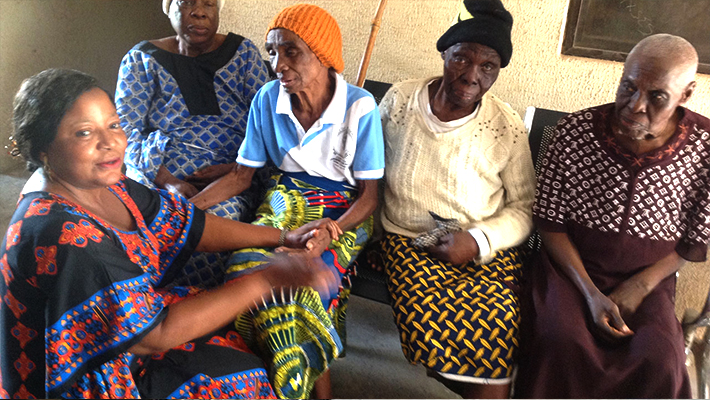
A group, Global Veterans, Ibadan Chapter, has called on all tiers of government to make robust budgetary provisions for the care of the elderly in Nigeria.
The group’s convener, Victor Oluwadamilare, made the call at an event to commemorate the United Nations International Day of Older Persons in Ibadan on Wednesday.
The event was themed: “The Age of Longevity: Rethinking Systems for Longer Lives”.
Mr Oluwadamilare said growing old in Nigeria was becoming increasingly difficult due to economic hardship, rising cost of living, loneliness and a lack of adequate support systems.
He added that many elderly persons who had served the country meritoriously now struggled to afford basic needs, including medication.
He noted that beyond economic challenges, many elderly persons suffered emotional abandonment and mental exhaustion as children travelled abroad and families became fragmented.
Mr Oluwadamilare, a veteran journalist, stressed that old age should not be seen as punishment but as a beautiful purpose if conscious efforts were made to ensure longevity and well-being.
The convener urged medical researchers to intensify efforts to find lasting solutions to age-related diseases such as diabetes, hypertension, cancer and stroke.
He also advised the elderly to protect their emotional health, avoid isolation and build enduring relationships with their peers.
Mr Oluwadamilare urged governments to consider monthly stipends and other palliatives for senior citizens aged 60 years and above.
He also called for the establishment of special centres in the country to provide drugs, food items and other essential household goods at subsidised rates for the elderly.
The event’s chairman, Ade Adekanmbi, also a veteran journalist, said the younger generation must move from seeing older people primarily as dependants to seeing them as partners in national development.
“Government and society must therefore continue to examine the systems that affect older citizens, particularly healthcare, pensions, social protection, housing, transportation, digital inclusion and access to essential services.
“Healthcare deserves special attention. Longevity without access to affordable and quality healthcare can become a burden rather than a blessing.
“But beyond government, there is also a role for families. We must not outsource the care of our elderly entirely to government.
“The family remains the first institution of care. Our children must be taught to respect, listen to and care for their parents and grandparents,” he said.
The guest lecturer, Muyiwa Popoola, charged the elderly to prioritise their happiness instead of struggling to please their children and grandchildren at a time when their strength had drastically reduced.
Mr Popoola, of Ajayi Crowther University, Oyo, who was represented by Samson Owolabi, a senior lecturer at the university, urged the elderly to maintain their relationships and associations with their mates and old friends.
The keynote speaker, Mashood Erubami, urged the government to review Nigeria’s health policy to keep veterans from queuing for basic needs, including pensions.
Mr Erubami, an activist and former president of the Campaign for Democracy, called for the creation of a senior citizens advisory council that would regularly advise the government on the concerns of senior citizens.
The highlights of the event included a health talk on the prevention of prostate cancer and other diseases.
(NAN)