
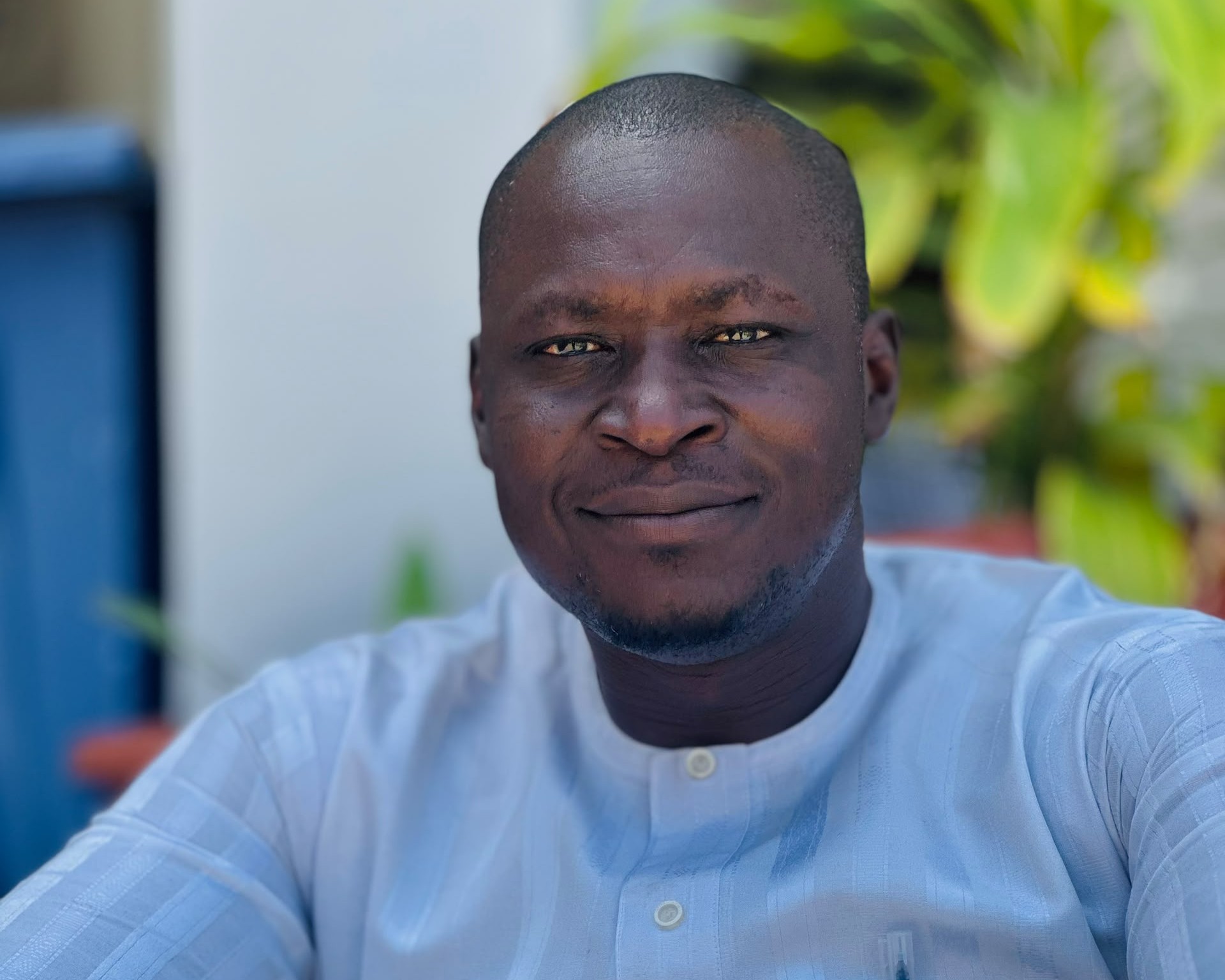
By Cliff Stanley
The All Progressives Congress (APC) chose Kaduna for the formal flag-off of President Bola Tinubu’s 2027 re-election campaign because the city carries enormous symbolic weight: it is historically regarded as a political centre of Northern Nigeria. But the rally became more than a demonstration of party strength. Amid cheers from APC loyalists, sections of the crowd shouted “Ba ma so, ba ma yi”-“we do not want it; we do not support it”-turning a carefully choreographed political event into a public referendum on hardship, insecurity and trust.
A stage built for power
Kaduna was not an accidental venue. For the APC, a successful rally in the former capital of the North was meant to project national reach, northern acceptance and organisational superiority ahead of the 2027 election.

The party mobilised its most visible northern and federal figures: Senator Abdulaziz Yari as Director-General of the APC Presidential Campaign Council; Speaker of the House of Representatives Tajudeen Abbas; Deputy Senate President Jibrin Barau, Chairman Northern Governors forum Governor Muhammad Inuwa Yahaya, Kaduna Governor Uba Sani; and other governors and party leaders.
For these actors, the rally served multiple purposes. President Tinubu needed to show that the North remains politically reachable. Yari needed to demonstrate command of the campaign machinery. Abbas, Barau and the governors needed to display loyalty to the President while consolidating their own local political bases. Governor Sani, in particular, had an incentive to present Kaduna as stable, supportive and firmly within the APC fold ahead of his own political future.
The rally was also overshadowed by an explosive claim that the Kaduna State Government had approved or released ₦2.3 trillion for the campaign flag-off. A letter circulating online, purportedly written by Governor Uba Sani to Yari, alleged that the money was for preparations, logistics, security, stakeholder engagement and the general execution of the “grand rally.”
The Kaduna State Government has categorically denied the claim. Commissioner for Information and Culture Ahmed Maiyaki said Governor Sani neither wrote nor authorised the letter, and that no ₦2.3 trillion was budgeted, approved or released for the event. The government noted that Kaduna’s entire 2026 budget is ₦985.92 billion far below the alleged rally expenditure.
The APC Presidential Campaign Council likewise dismissed the document as fabricated, arguing that the alleged amount exceeded Kaduna State’s combined budgets for 2024, 2025 and 2026: ₦458.271 billion, ₦790.439 billion and ₦985.9 billion respectively. Whether the figure is true or false, its political power lies in what it captures: public suspicion that campaigns of this scale may consume resources at a time when many citizens are struggling with food inflation, unemployment and insecurity.
The warm reception given to the President cannot be dismissed. Thousands of APC supporters filled Ranchers Bees Stadium, applauded the President, and listened as Governor Sani described him as a leader who had fulfilled promises to Kaduna. That crowd represented the organised, institutional and partisan face of northern politics: party structures, appointed officials, beneficiaries of patronage networks and citizens who still believe in the APC project.
But the “Ba ma so, ba ma yi” chants represented another northern reality. Those voices expressed frustration with the cost of living, poverty and insecurity issues that reports say have fuelled similar chants at political gatherings across the North. Their message was not simply hostility to Tinubu as a person; it was a refusal to let ceremony substitute for welfare.
Which group represents the North?
Neither group alone represents the North. The cheering crowd shows that the APC still possesses real mobilisational strength, elite networks and a base of committed supporters. The chanting crowd shows that support is no longer automatic, especially among citizens whose daily experience is defined by economic pressure and insecurity.
The genuine northern experience is therefore found in the contradiction between the two. Kaduna hosted both a celebration of presidential power and a protest against presidential performance. It revealed a North that is not monolithic, but divided between those who see the APC as a vehicle of continuity and opportunity, and those who see the rally as spectacle while their conditions remain unchanged.
The political warning
For the APC, the lesson is sobering: a stadium can be filled, but consent cannot simply be staged. The presence of Yari, Abbas, Barau, Inuwa, Sani and other governors may guarantee logistics, security and crowd mobilisation; it cannot guarantee legitimacy. If citizens believe that enormous sums whether ₦2.3 trillion or any other figure are being associated with political theatre while households struggle, the backlash will not remain confined to opposition social media.
The “Ba ma so, ba ma yi” chants should be treated as democratic feedback, not merely as embarrassment. They insist that the true measure of a campaign is not the size of the crowd, the grandeur of the venue, or the number of governors on stage, but whether ordinary people can eat, live safely and believe that government works for them.
Kaduna has spoken in two voices. The APC must decide which voice it will hear: the applause that flatters power, or the protest that challenges it to govern better.
Cliff Stanley political scientist Public, write from Jos Ecwa Theological Seminary ( JETS)
07032826319.