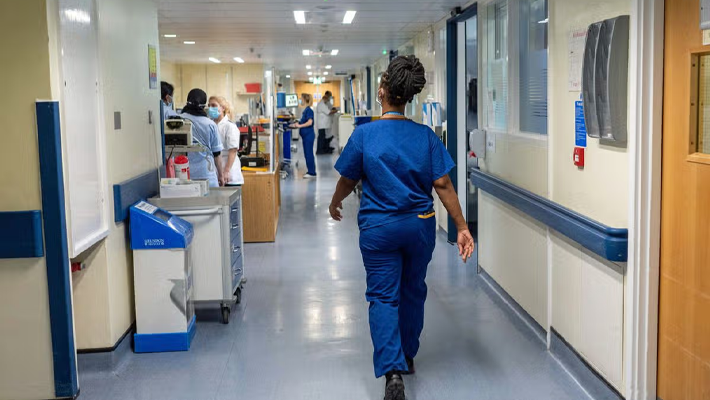
The British Medical Association on Monday announced that senior doctors have resolved to begin a two-day strike on November 25 and 26, with only emergency cover to be provided.
The BMA said the decision was made after over three-quarters of health consultants who took part in a ballot in July voted in favour of strike action.
The BMA alleged that the government had failed to provide any meaningful commitment to solving the long-running dispute over the value and sustainability of the consultant role.
It accused the government of ignoring concerns relating to the well-being and workload of the senior medical officers,

The BMA said the strike could be avoided if health secretary Yvette Cooper commits to funded formal negotiations on pay and working conditions.
Co-chairs of the BMA’s consultants committee, Helen Neary and Shanu Datta, said, “Solving the pressures facing the health service will be impossible without valuing and retaining these doctors. Yet the government is failing to recognise this, ignoring our concerns around consultants’ well-being and workload and pushing them further away from the NHS.
“As the much-lauded progress on waiting lists in England stalls, the government is also telling consultants they deserve another pay cut. Since we entered into a dispute over 18 months ago, we have engaged in good faith with the government, proposing practical solutions, but time and time again, ministers have kicked the can down the road. Unfortunately, that road has now run out, and we have been forced to announce strikes.
“Consultants take their responsibilities incredibly seriously, and striking does not come naturally, but we are hearing loud and clear from the profession that they have had enough.”
The union stated that not only is their pay still a quarter down than what it was 17 years ago, but they are not being given time to dedicate their all to the NHS and patients, with quality and improvement being traded for the treadmill of target-chasing, which has been driving colleagues to burnout through excessive workloads.
Giving the government four weeks to address concerns, the union said it also looks forward to hearing from authorities on areas they can work together to prevent strikes, end the dispute and restore the role of the consultant in the NHS.
The government had proposed a 3.5 per cent rise for the senior doctors for the 2027/2028 financial year, but the BMA described it as a “significant real-terms pay cut by all current measures of inflation”.
Mrs Cooper, however, expressed disappointment over the insistence by the BMA to mobilise senior doctors to go on strike, despite constructive discussions between her department, the NHS, and the BMA.
She said, “With colleagues across the NHS, I am determined to support staff and patients through the tough winter period. I hope the BMA will stay united with us in that effort and not take irresponsible action that would place our health service under even greater pressure at this crucial time.”
This adds to the dozen rounds of industrial actions in England since 2023 over disputes concerning pay and working conditions across Britain’s National Health Service.