
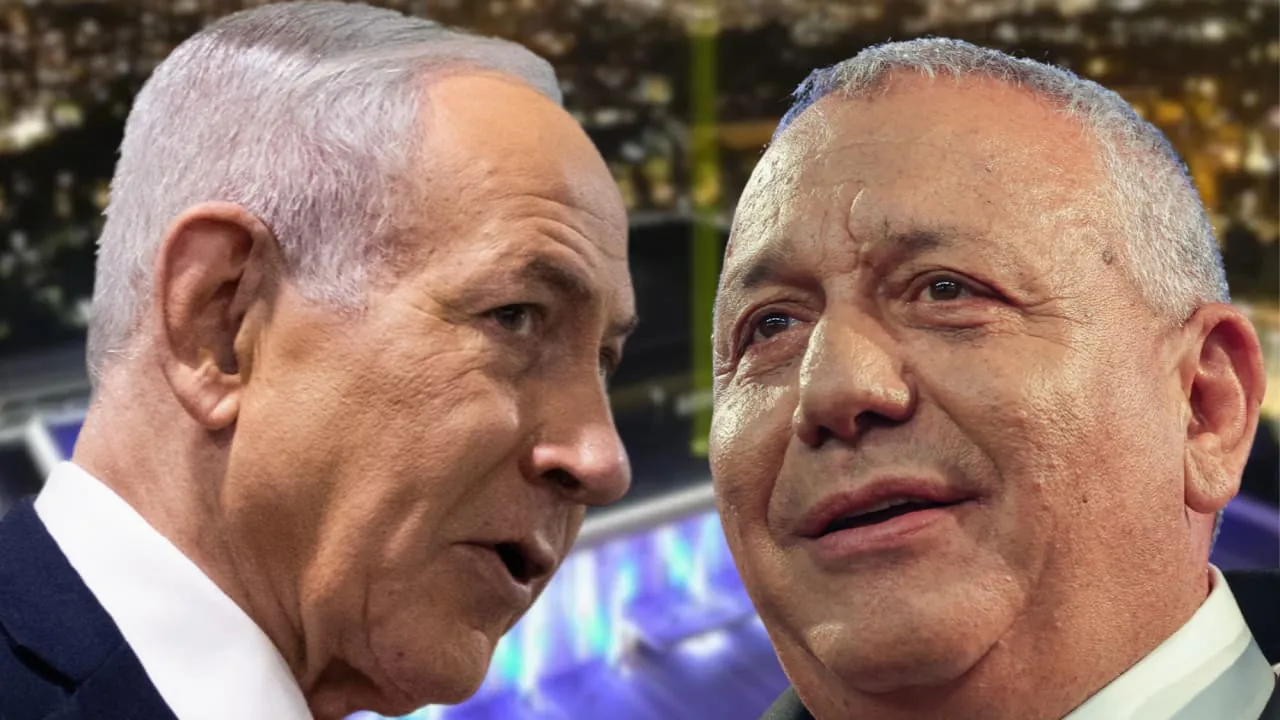
Israeli Prime Minister Benjamin Netanyahu is considering a national unity government with opposition leader Gadi Eisenkot as political negotiations continue following the country’s 2026 general election.
Sources close to Netanyahu are reportedly pushing for an arrangement that could bring Eisenkot into a government led by the Likud chairman, despite Eisenkot’s repeated pledge not to serve under the prime minister.
Netanyahu, speaking at the Jerusalem International Convention Centre, had reiterated his intention to establish a strong right-wing government. However, reports indicate that his allies have been exploring alternative coalition arrangements, including a possible power-sharing deal with Eisenkot.
One proposal would see Netanyahu serve as prime minister for about two years before handing over the position to Eisenkot under a rotation agreement. Likud officials say Netanyahu would use the period to pursue Israel’s objectives in Iran and advance regional peace initiatives before leaving office.

Another option reportedly under consideration would involve offering Eisenkot a senior ministerial position without a power-sharing agreement.
The proposed arrangement could initially include Eisenkot, Netanyahu, National Security Minister Itamar Ben-Gvir and Finance Minister Bezalel Smotrich, while excluding ultra-Orthodox parties from the coalition.
According to sources promoting the plan, the government could first pass legislation addressing the military conscription of ultra-Orthodox men without the ultra-Orthodox parties formally participating in the coalition. Those parties could then join the government after the legislation is approved.
The proposal is intended to address the contentious military draft issue while giving Eisenkot a significant political achievement that could make participation in the government more attractive.
However, the plan faces considerable opposition. Eisenkot has given no indication that he is willing to negotiate such an arrangement, while political figures across the opposition bloc believe joining a Netanyahu-led government could seriously damage his political standing.
Critics also argue that voters who supported the opposition would be unlikely to accept an alliance with Netanyahu and his right-wing partners. Some political figures suggest Eisenkot could instead support the government from outside the coalition if national security concerns, including a possible escalation with Iran, arise.
Opposition sources have reportedly described the prospect of Eisenkot joining Netanyahu’s government as political and moral suicide, insisting that he would not go against the wishes of his supporters.
Netanyahu’s allies, however, believe alternative routes to forming a government could emerge once the final election results are confirmed. They argue that persuading lawmakers from rival parties to defect could prove easier if the prime minister’s bloc moves closer to securing a majority in the 120-member Knesset.
The Central Elections Committee is still updating the results, with its final report expected to be submitted to the president next week. Until the figures are finalised, the prospects for a stable governing coalition remain uncertain.