
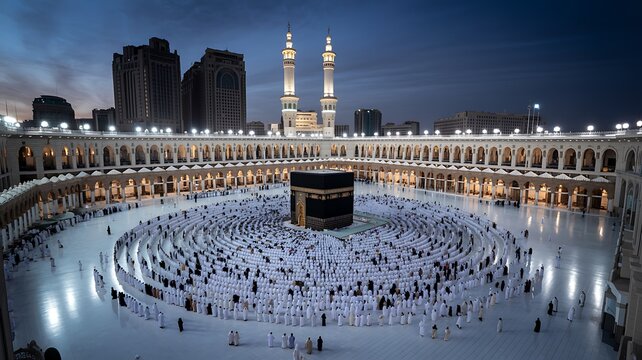
The Alsunnah Islamic Redemption Network has criticised comments attributed to associates of former Vice-President Atiku Abubakar concerning President Bola Tinubu’s recent spiritual visit to the Holy Kaaba in Saudi Arabia.
The group described the remarks as insensitive to Islamic beliefs and warned political actors against dragging religious matters into partisan disagreements.
In a press statement signed by its Chairman, Ustaz Yusuf Abdulaziz, the organisation said the controversy surrounding Tinubu’s Umrah pilgrimage had raised concerns about the growing politicisation of religious practices ahead of the 2027 general elections.
The controversy followed an announcement by the Presidency, through its spokesperson, Bayo Onanuga, that Tinubu would undertake an Umrah pilgrimage to Saudi Arabia to pray for Nigeria’s peace, security and successful conduct of future elections.

The group recalled that Phrank Shaibu, a media aide to Atiku, had questioned the Presidency’s communication concerning the President’s activities during the pilgrimage and reportedly made comments about the spiritual significance of the Kaaba.
It described the comments attributed to Shaibu as unfortunate, arguing that religious beliefs and sacred institutions should be treated with respect, irrespective of the political identity of individuals involved.
According to the organisation, political disagreements should not be allowed to undermine the religious convictions of Nigerians or create unnecessary tension between religious and ethnic groups.
”Religious worship should never be subjected to partisan interpretations or political rivalry,” the statement said.
The group further argued that the spiritual significance of the Kaaba should not become a subject of political controversy because of the identity or political affiliation of a person undertaking the pilgrimage.
It also recalled the religious activities of prominent Muslim leaders, including the late Sir Ahmadu Bello, the Sardauna of Sokoto, saying such historical examples should encourage respect for matters of faith.
The organisation expressed concern that comments attributed to political spokespersons could deepen divisions in an already sensitive political environment.
It also raised questions about what it described as inconsistencies in the handling of religious inclusion and minority representation within the political space, referencing controversies surrounding political developments in Adamawa State.
However, the group maintained that political allegations should be examined objectively and supported by verifiable evidence rather than used to inflame religious or ethnic sentiments.
It called on political leaders and their spokespersons to exercise restraint and demonstrate greater responsibility when commenting on matters relating to religion.
The statement also urged Nigerians, regardless of their religious, ethnic and political affiliations, to promote peaceful coexistence and avoid turning religious disagreements into political confrontations.
The organisation further called on the Nigeria Supreme Council for Islamic Affairs (NSCIA), the Sharia Council of Nigeria, Jama’atu Nasril Islam (JNI), the Muslim Rights Concern (MURIC) and other Islamic organisations to examine the comments attributed to Atiku’s political camp and provide appropriate clarification.
It said Islamic organisations should engage constructively on issues concerning the sanctity of Islamic beliefs and practices while promoting religious understanding and national unity.
The group also expressed concern over what it described as insufficient public engagement by some Muslim leaders and organisations on the controversy.
It urged Islamic institutions to demonstrate principled leadership and ensure that matters concerning Islamic values receive responsible attention.
The organisation, however, stressed that public discussions should remain focused on verifiable facts and substantive issues rather than personal attacks, unsubstantiated allegations or political insults.
It concluded by appealing to political actors to keep religious institutions and sacred practices away from partisan battles, stressing that Nigeria’s diversity requires mutual respect, tolerance and responsible public communication.
The statement was signed by Ustaz Yusuf Abdulaziz, Chairman of the Alsunnah Islamic Redemption Network.