
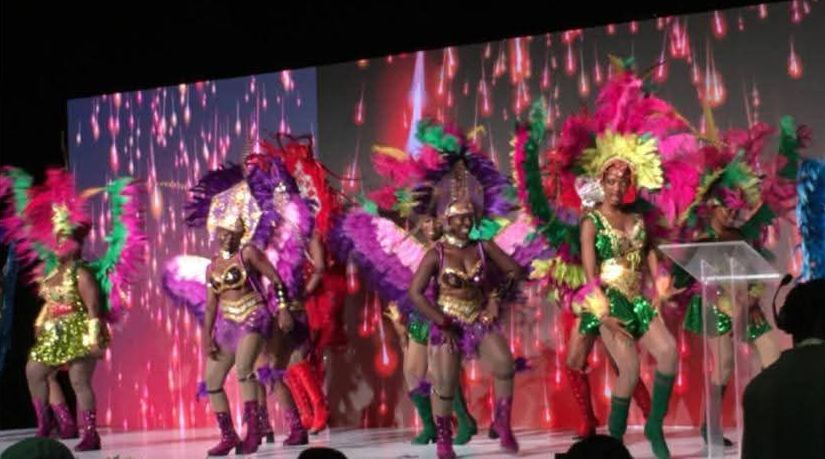
Governor Bassey Otu has unveiled ‘Rethinking Our Collective Destiny’ as the theme for Carnival Calabar 2026, and said innovations will deepen public participation, expand economic opportunities and boost the carnival’s global appeal.
Mr Otu unveiled the theme for the 2026 Carnival Calabar and Festival on Sunday night in Lagos. The unveiling marked the inauguration of the carnival’s 21st anniversary edition and drew tourism stakeholders, diplomats, cultural enthusiasts and government officials.
Mr Otu said the theme reflected a collective resolve to reimagine the future of the carnival and harness its potential as a driver of economic growth, cultural preservation and tourism development.
“We are not just unveiling a theme; we are unveiling a vision. ‘Rethinking Our Collective Destiny’ challenges us to look beyond where we are today and imagine what we can achieve together as a people through culture, tourism and creativity,” Mr Otu said.

The governor said the carnival had evolved into a major platform for showcasing Cross River to the world and creating opportunities for businesses, artisans, performers and young people.
“We must continue to innovate, expand participation and ensure that the benefits of the carnival are felt by our communities. This carnival belongs to all of us, and its success depends on our collective commitment,” he said.
The chairman of the Carnival Calabar Commission, Gabe Onah, said the 2026 edition would introduce online voting to give communities and audiences a greater stake in the carnival.
Mr Onah said the innovation would allow the public to participate actively rather than just watch the event. According to him, the carnival is being repositioned to create jobs and business opportunities for young people by commercialising its various products and activities.
He said organisers had also engaged creative partners to develop movies inspired by the carnival, as well as digital platforms to connect audiences around the world to the festival in real time.
Similarly, Busola Tejumola, executive director of General Entertainment at Multichoice, said the carnival had evolved significantly over the past 15 years and should increasingly showcase the stories behind its elaborate costumes and cultural heritage.
Tejumola said introducing audience voting would increase participation and allow people to contribute more meaningfully to the carnival experience.
The Portuguese ambassador to Nigeria, Paulo Santos, described the carnival as a unique cultural platform that compared favourably with carnivals in Europe, the Americas and Brazil.
“Culture is the easy way for countries to come together, get closer,” he said.
Mr Santos said the carnival’s scale, professionalism and diverse offerings, including dedicated segments for children and bikers, made it stand out internationally. He said he visited museums in Calabar during his stay, adding that the festival was relatable to global audiences while strengthening cultural and people-to-people ties.