
The World Meteorological Organisation on Monday warned that rising pollution from wildfires and heat waves will hamper global efforts to improve air quality and protect human and ecosystem health.
The United Nations agency, in its annual air quality and climate bulletin, stressed the intersection between climate change and air pollution, urging coordinated policies to address both.
“Meeting the World Health Organisation air quality guidelines will become progressively more difficult, since extreme fire weather is expected to increase in the future,” the bulletin stated.
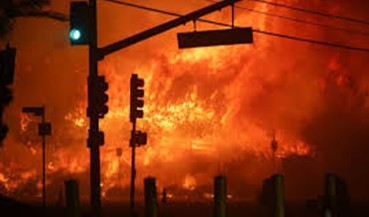
The report, which cited a study estimating that they contributed to nearly 100,000 additional deaths annually between 2010 and 2018, further noted that extreme fire-smoke events have tripled globally since the 1990s.
According to the WMO, conventional risk models could underestimate wildfire-attributable mortality by up to 93 per cent because they fail to adequately account for the higher toxicity of fire-derived fine particulate matter.
“Extreme wildfires are increasing, leading to big health consequences because of the high toxicity of smoke. Whilst regulations in Europe and North America have reduced industrial and transport PM2.5 emissions, exposure to fire-related PM2.5 has increased,” the bulletin added.
It further lamented worsening ground-level ozone pollution, noting that higher temperatures, stagnant air, and intense sunlight promote ozone formation.
“One example is the deposition of black carbon – or soot – on snow and ice, which reduces the amount of sunlight reflected by these surfaces and in turn can hasten the melting process.
“As plastic production and, critically, mismanaged plastic waste continues to increase, monitoring the airborne paths that carry microplastics from their source and dump them in remote environments will be crucial, the WMO explained.
The UN agency said ozone-related health risks were expected to intensify, which could lead to tens of thousands of additional premature deaths.
The bulletin advocated improved monitoring of pollutants, including black carbon and atmospheric microplastics.
World Meteorological Organisation Warns Wildfires Will Hamper Meeting WHO’s Air Quality Guidelines
79