
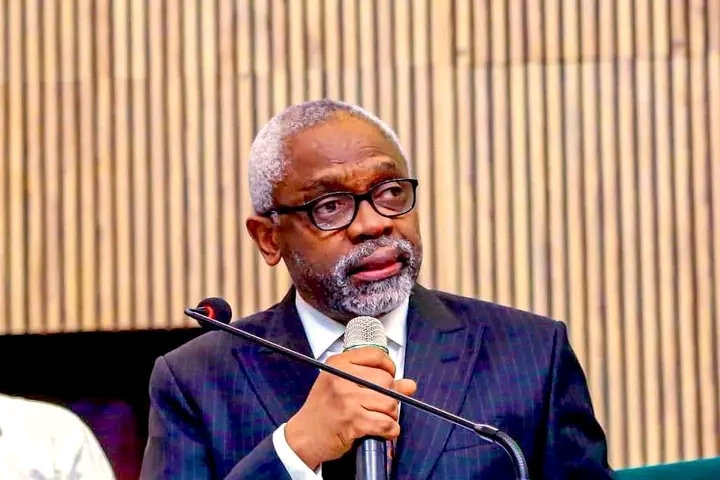
President Bola Tinubu’s Chief of Staff, Femi Gbajabiamila, has admitted that the removal of petrol subsidy and other economic policies introduced by the administration have increased the financial burden on Nigerians.
He, however, defended the policies, arguing that the President chose to confront longstanding economic challenges rather than maintain unsustainable arrangements for political convenience.
Gbajabiamila made the remarks on Wednesday during the presentation of the administration’s 2027–2031 electoral roadmap, titled “From Reforms to Prosperity Agenda”.
He explained that the removal of fuel subsidy and the unification of the foreign exchange market were necessary measures to correct structural weaknesses in the economy and put the country on a sustainable path.

Acknowledging the hardship Nigerians have faced since the introduction of the policies, the former Speaker of the House of Representatives said the government must recognise the difficulties experienced by households.
“Now, those decisions have placed real pressure on households. We must speak honestly about that experience because the people living through it deserve to be heard. And nobody should have to pretend that life is easy at the moment,” he said.
Gbajabiamila maintained that Tinubu could have avoided the difficult decisions and retained the previous economic arrangements if he had chosen political convenience over what he described as responsible leadership.
According to him, the President understood the immediate consequences of the reforms but proceeded with them because he considered them necessary for the country’s future.
He said the success of the policies would ultimately be determined by their impact on the living conditions of Nigerians and their ability to create better economic opportunities.
Describing the new electoral roadmap as a reflection of Tinubu’s governing philosophy, Gbajabiamila said the administration was working towards an economy where citizens could earn decent livelihoods through hard work and have equal opportunities to prosper.
He further described a political manifesto as an agreement between elected officials and the people, insisting that government policies should enable citizens to enjoy the benefits of their efforts.