
The Cross River State Government has stepped up emergency preparedness efforts to guard against the possible entry and spread of the Ebola Virus Disease (EVD) following fresh alerts from the Federal Ministry of Health.
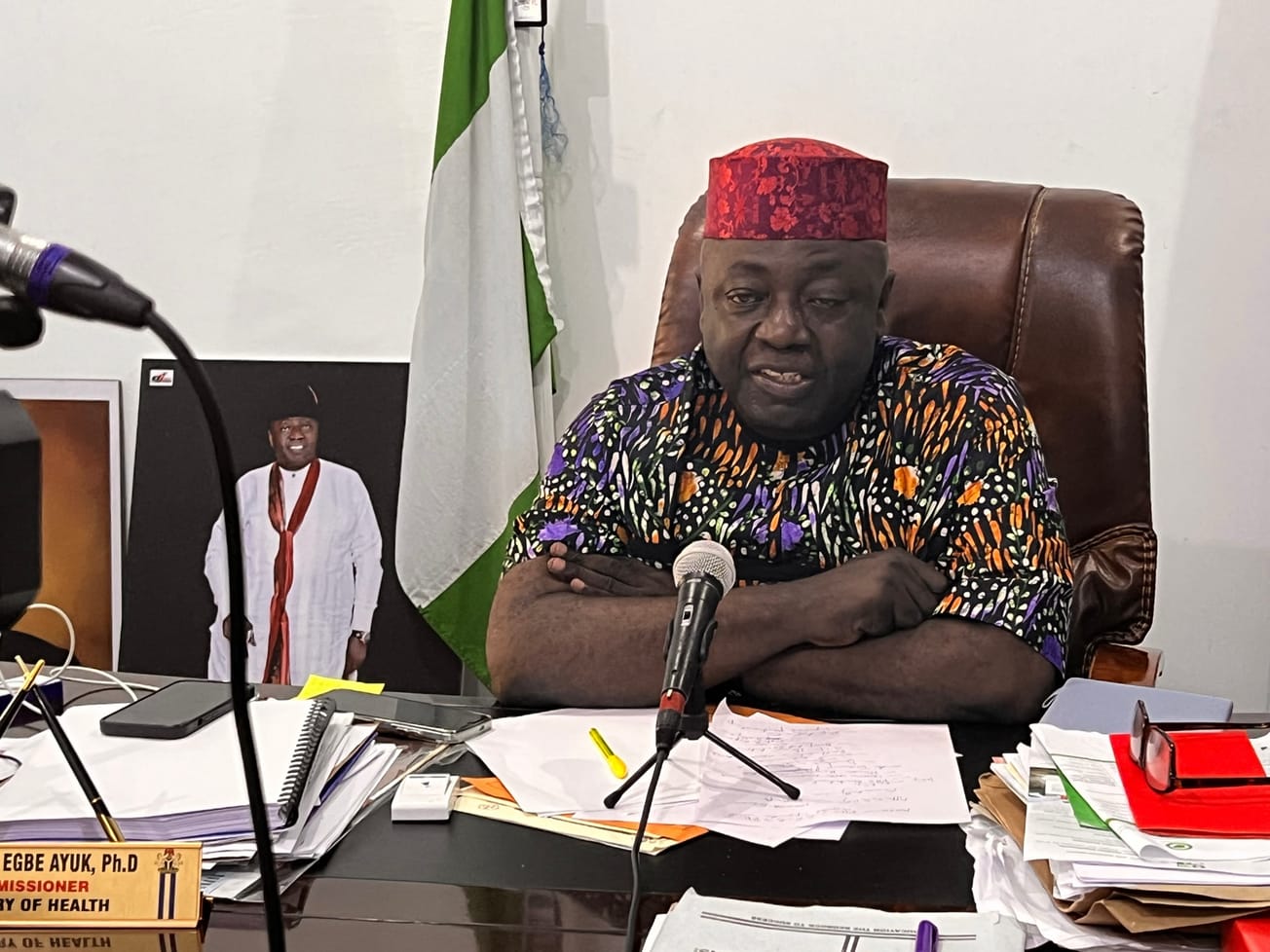
Speaking to journalists on Thursday, the Commissioner for Health, Dr. Henry Egbe Ayuk, said the state had activated its response plan after Ebola outbreaks were reported in the Democratic Republic of Congo and Uganda and classified as a Public Health Emergency of International Concern under the International Health Regulations (IHR 2005).
He explained that the Federal Ministry of Health had directed all states to strengthen surveillance systems and emergency response mechanisms to prevent the disease from being imported into Nigeria.
According to the commissioner, Cross River has already placed its Public Health Emergency Operations Centre (PHEOC) on Alert Mode to ensure the rapid detection, reporting, and management of any suspected Ebola case.
Dr. Ayuk stated that health authorities are closely monitoring individuals showing symptoms associated with Ebola, travellers arriving from affected countries, and unexplained illnesses or deaths involving bleeding, stressing that such cases require immediate investigation.
He added that surveillance activities and active case searches have been intensified across all 18 local government areas, with particular attention given to border communities because of the state’s strategic location. Collaboration with neighbouring Cameroon and interstate border authorities has also been strengthened to improve information sharing and coordinated response efforts.
The commissioner further disclosed that surveillance officers, clinicians, healthcare workers, and port health officials at entry points are being trained on Ebola case identification, reporting procedures, referral processes, and isolation protocols.
He noted that the state has also convened a multi-sectoral Emergency Operations Centre meeting involving stakeholders from the health, animal health, environmental health, port health, and security sectors under the One Health Approach to coordinate preparedness activities.
Meanwhile, screening and follow-up procedures for travellers arriving from affected countries have commenced at airports, land borders, seaports, and other entry points. Health facilities across the state are also reinforcing infection prevention measures through improved hand hygiene, proper use of personal protective equipment, and strict isolation protocols.
Dr. Ayuk said the government is positioning essential protective equipment and case management materials while expanding public awareness campaigns in communities, markets, churches, and across social media platforms to encourage vigilance.
He also revealed that a costed emergency preparedness plan is being finalized for implementation, while information, education, and communication materials are being distributed to healthcare workers, health facilities, and the general public.
Although reassuring residents that no confirmed case of Ebola has been recorded in Cross River State, the commissioner urged the public to remain alert and report any suspected case promptly to the nearest health facility or relevant health authorities.
He reaffirmed the government’s commitment to safeguarding residents through proactive surveillance, early detection, and rapid response measures against Ebola and other infectious disease outbreaks.