
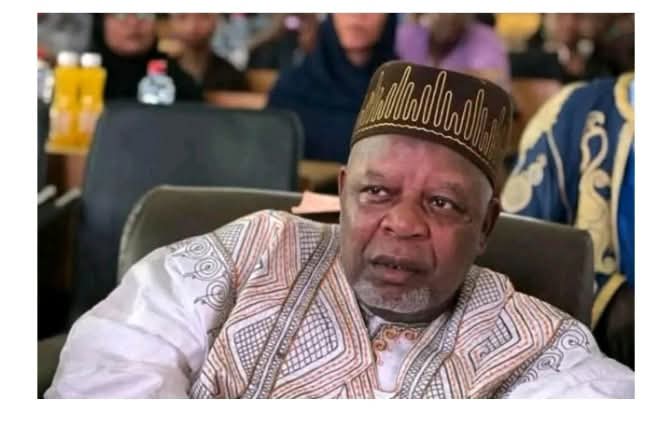
Retired Brigadier General Maharazu Tsiga, who previously served as the Director-General of the National Youth Service Corps (NYSC), has recounted his traumatic experience at the hands of bandits.
He emphasized that Nigeria cannot overcome banditry without dismantling the network of informants, arms dealers, and suppliers that support these criminal organizations.
During a recent interactive session with journalists in Kaduna, Tsiga, who endured nearly two months in captivity after being kidnapped, expressed that relying solely on negotiations with bandits will not resolve the escalating security crisis in the country.
He pointed out that these criminal groups are backed by a broader network of collaborators who benefit from the ongoing insecurity.

While he recognized that security is a shared responsibility, Tsiga insisted on the need for a more aggressive approach targeting those who provide weapons, ammunition, fuel, food, and intelligence to bandit groups.
“The success of negotiations depends on who we are dealing with and our commitment to making them effective,” Tsiga stated.
He observed that despite any negotiation arrangements, dealing with bandits will not be straightforward, and an aggressive pursuit is essential.
He noted that bandits are not invulnerable and often fear military actions and rival groups.
“They are just like us, and they fear death. During my captivity, I noticed they were always anxious about potential attacks from security forces or other factions,” he remarked.
Tsiga cautioned that focusing only on the armed criminals overlooks the larger network that enables their activities.
“It’s not just the bandits that are important; what about those who assist them? The informers and suppliers are also part of the equation and should not be overlooked,” he stated.
He warned that those profiting from banditry would resist any peace efforts that threaten their financial interests.
“If negotiations occur with the bandits but the informers and suppliers lose their income, they will not support any agreements.
They are part of the issue,” he added. Tsiga recounted an incident from his captivity where bandit leaders were in contact with individuals allegedly involved in the illegal arms trade.
“One night at around 2 am, a person called the bandits to inquire if they were ready to purchase 10 cartons of ammunition.
The leader agreed but mentioned he wanted to finish dealing with an old man first, referring to me,” he shared.
When Tsiga jokingly asked to be part of the deal, the bandit leader dismissed him, stating he no longer had any influence.
“He told me, ‘You are a retired general; you no longer have an office. We are dealing with those currently in power,'” Tsiga recounted.
This encounter led him to believe that some individuals within official circles might be facilitating criminal activities for personal gain.
“The suppliers are present. There are corrupt elements in government. They will obstruct serious negotiations because they are more interested in their own benefits than in safeguarding lives and property,” he claimed.
He called on the Federal Government, security agencies, and citizens to come together to confront those responsible for the logistics and financing of bandit operations.
“We should not deceive ourselves. I strongly advise the government, security agencies, and the public that we must take decisive action to make these individuals understand that the nation is committed to defeating them,” he urged.
Tsiga’s comments arise amid a growing national discussion on whether dialogue, military action, or a combination of both is the most effective strategy for addressing banditry, kidnapping, and other forms of violent crime in northern Nigeria.
(Source: Guardian Newspapers)