
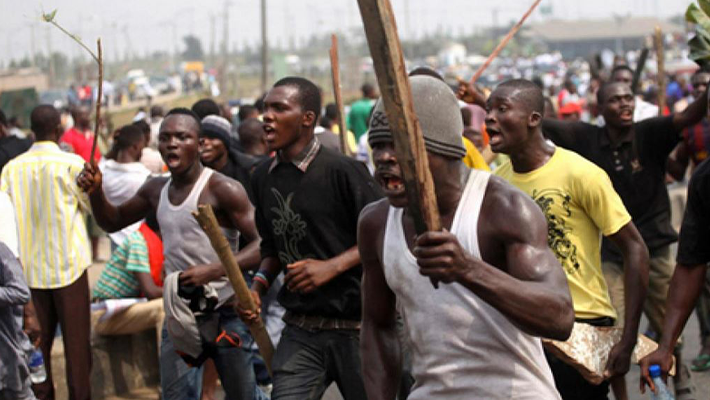
A chieftain of the African Democratic Congress (ADC) and public policy analyst, Kabiru Saje, has criticised the growing practice of politicians using financial inducements to turn Nigerian youths into political thugs and tools for partisan activities.
Mr Saje raised the concern during an interview with journalists in Abuja on Saturday, describing the trend as a threat to Nigeria’s democracy.
He said some politicians were increasingly manipulating young people through financial incentives, political patronage and organised partisan campaigns on social media.
According to him, rather than preparing youths for future leadership responsibilities, some political actors have reduced them to transactional supporters whose allegiance is determined by financial rewards.

He warned that turning political loyalty into a business could weaken public confidence in democracy and promote leadership based on wealth rather than competence.
Mr Saje said a generation taught to regard politics as a means of survival through thuggery and paid online support would find it difficult to embrace principled leadership.
He called on security agencies, traditional rulers, elder statesmen and community leaders to work together to tackle political violence, vote-buying, intimidation of youths and voter apathy.
The ADC chieftain urged security agencies to remain neutral and take proactive steps to prosecute electoral offenders, including politicians sponsoring such activities, before political violence becomes deeply rooted in the country.
He also appealed to community leaders to promote values such as dignity, hard work and peaceful coexistence among young people.
Identifying economic hardship as a major factor making youths vulnerable to political manipulation, Mr Saje emphasised the importance of creating sustainable employment opportunities and legitimate sources of income.
He recommended support for businesses, digital and vocational training, agricultural value chains and employment based on merit as measures to reduce young people’s dependence on political patronage.
According to him, providing young Nigerians with genuine and sustainable means of earning a living remains the most effective way to prevent their exploitation by politicians.
Mr Saje further urged politicians, opinion leaders and media proprietors to prioritise national peace before, during and after elections.
He maintained that elections should be viewed as periodic contests of ideas and development plans rather than battles that threaten the existence of political opponents, urging parties to focus their campaigns on issues.
He advised politicians to discourage hate speech and provocative statements among their supporters, while calling on media organisations to maintain fairness, balance and professionalism in their reports.
The public policy analyst also expressed concern over the declining standard of public communication, particularly the spread of misinformation, character attacks and unprofessional public relations practices on social media.
He cautioned that failure by established media organisations and trained journalists to address the situation could make it increasingly difficult for the public to distinguish verified reports from paid propaganda.
Mr Saje urged journalists to strengthen investigative journalism, fact-checking and professional gatekeeping to ensure that public communication remains credible and transparent.
(NAN)