
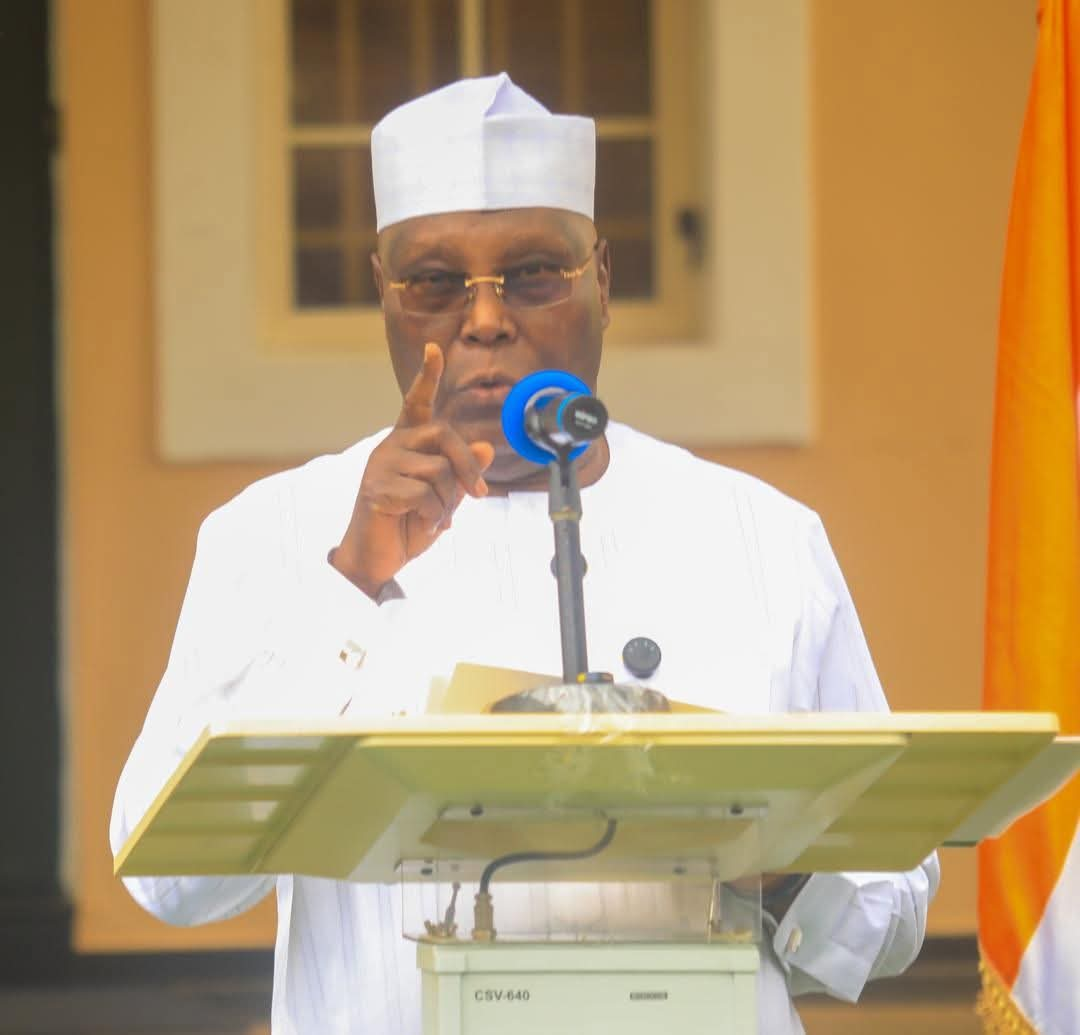
Former Vice President Atiku Abubakar has urged the National Assembly to suspend consideration of President Bola Tinubu’s request for approval to obtain $20.52bn and €1.045bn in external loans until the Federal Government publishes details of the projects to be financed.
Atiku, the African Democratic Congress presidential candidate, said the borrowing proposal vindicated his earlier warning that the administration was preparing to secure loans of up to $20bn in connection with the Lagos-Calabar Coastal Highway project.
He expressed concern that the absence of project-by-project details, including costs, locations and contractors, could expose the proposed borrowing to abuse and political manipulation.
In a statement issued on Tuesday by the Director of Strategic Communication of the ADC Presidential Campaign Council, Phrank Shaibu, the former vice president called on lawmakers to demand full disclosure of the proposed loans and their intended uses before granting approval.

“The National Assembly must not approve a single dollar until the President publishes every project, contract, cost, contractor, loan term and repayment obligation,” Atiku said.
“No public money should be borrowed in the dark, and no lawmaker should sign a blank cheque against Nigeria’s future.”
Atiku had on October 12, 2026, raised concerns over reports that the President was preparing to borrow up to $20bn in connection with the coastal highway. He said Tinubu neither confirmed nor denied the allegation nor published the accounts he had requested.
According to him, the subsequent request for approval to borrow $20.52bn and €1.045bn reinforced his concerns about the administration’s borrowing plans.
“The president has listed broad sectors but has not provided a project-by-project account of what this enormous borrowing will fund. Nigerians have not been given clear project details, costs, locations or contractors to scrutinise,” he said.
The ADC chieftain also questioned the timing of the proposed borrowing, arguing that Nigerians should not be saddled with substantial debt without adequate information about the projects and the terms of repayment.