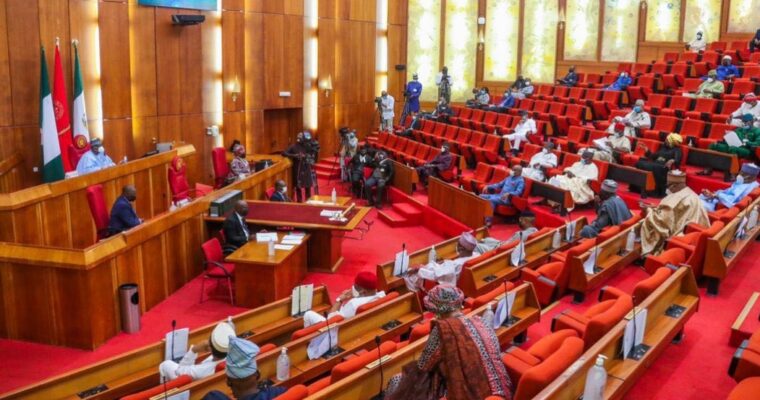
A coalition of civil society organisations (CSOs) has appealed to the National Assembly to reject proposed legislations they believe could undermine civic rights, constitutional freedoms and Nigeria’s democratic principles.
The groups made the appeal during a joint press briefing held in Abuja on Monday, where they expressed concerns over what they described as a rise in restrictive legislative proposals before lawmakers.
The statement, endorsed by 89 CSOs, was signed by key figures including the Executive Director of the Civil Society Legislative Advocacy Centre (CISLAC), Auwal Rafsanjani; Director of the Centre for Democracy and Development, Dauda Garuba; and Global Rights Country Manager, Olubunmi Aweda.
The organisations warned that some of the proposed laws could increase government control over civic activities and weaken fundamental freedoms such as freedom of expression, peaceful assembly, association, media independence and citizens’ participation in democracy.
They argued that the bills were part of wider attempts to regulate civil society groups, independent media organisations and online platforms, adding that such measures could encourage fear and self-censorship ahead of the 2027 general elections.
The CSOs specifically criticised the Foreign Aids (Regulation, Transparency and Disclosure) Bill, stating that it could give authorities excessive powers over organisations receiving foreign funding.
According to them, the proposed establishment of a Foreign Aid Regulatory Commission would overlap with the responsibilities of existing institutions such as the Corporate Affairs Commission and the Economic and Financial Crimes Commission.
They maintained that compulsory registration, strict reporting obligations, audits and penalties contained in the bill could affect the independence of civil society organisations and disrupt legitimate humanitarian efforts.
The groups also raised objections to proposals that would require social media companies to maintain physical offices in Nigeria, warning that such requirements could be used to limit access to information and promote censorship.
They said the proposed measures conflict with Nigeria’s Constitution, the African Charter on Human and Peoples’ Rights, and other international human rights commitments.
The organisations called on the Senate President, Speaker of the House of Representatives and other lawmakers to withdraw the bills, engage relevant stakeholders and ensure that future legislation aligns with constitutional provisions and global human rights standards.
They urged the National Assembly to focus on protecting civic space, promoting accountability and strengthening democracy rather than introducing laws they described as restrictive.
Speaking on the status of the bills, Rafsanjani urged lawmakers to act in the interest of Nigerians and uphold democratic values.
He said citizens must continue to demand transparency, accountability and fairness from leaders across the executive, legislature and judiciary.
“It is our responsibility as Nigerians, as patriots and as democrats, to demand accountability, transparency and openness,” Rafsanjani said.
He added that leaders must create an environment where freedoms guaranteed by the Constitution and international agreements signed by Nigeria are protected.
“We cannot continue with impunity and reckless governance. We cannot keep lamenting while some people refuse to do what is expected of them,” he said.
The statement was signed by representatives of no fewer than 89 civil society organisations.
CSOs Urge NASS to Reject Bills Threatening Civic Space, Democratic Freedoms
99