
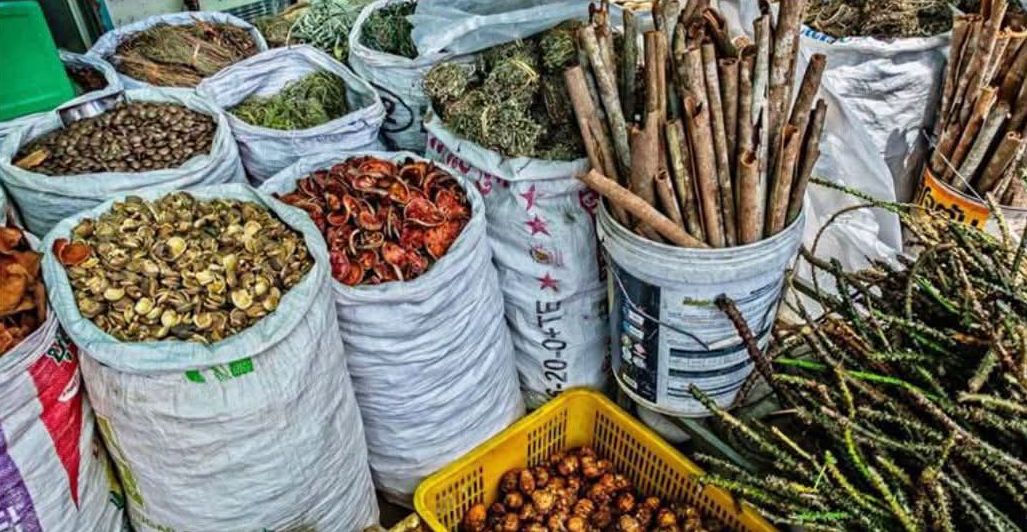
Andrew Uloko of the College of Health Sciences, Bayero University, Kano, has called for increased investment in research and development to transform Africa’s traditional medicine heritage into healthcare solutions that are safe, effective, affordable and backed by science.
Mr Uloko made the call in a keynote address at the African Traditional Medicine Day celebration in Lagos on Monday.
He noted that Africa would not achieve Universal Health Coverage if it continued to neglect a healthcare system that served a large part of its population.

Mr Uloko said research and development were key to bridging traditional knowledge with evidence-based healthcare. He noted that while traditional medicine was a major part of healthcare in Africa, its role in achieving UHC remains underdeveloped.
Many remedies, he said, have yet to undergo scientific validation, clinical testing, standardisation and regulatory approval. He said traditional medicine encompasses knowledge, skills and practices based on indigenous beliefs and experiences used for the prevention, diagnosis and treatment of illnesses and the maintenance of health.
Mr Uloko said traditional medicine comprised medicinal plants, derivatives from animals and minerals, and various traditional procedures and indigenous healing practices. He cautioned, however, that traditional use alone is not enough to prove a remedy’s safety or effectiveness.
“Traditional use is valuable, but traditional use alone does not prove safety or efficacy,” he said, stressing the need for rigorous research to establish the safety, efficacy, quality and appropriate formulation of traditional medicines.
He noted that access to healthcare, quality and safety, and financial protection as the three critical pillars of universal health coverage. According to him, these challenges are particularly significant in Africa, where unequal geographical access to healthcare, shortages of health workers, high out-of-pocket medical expenses and limited availability and affordability of essential medicines continue to constrain healthcare delivery.
He said properly researched and regulated traditional medicines could complement existing health services and potentially improve access and affordability, particularly for communities where traditional healthcare remains culturally and geographically accessible.
He identified medicinal plants as a significant source of potentially useful compounds, citing their structural diversity, cultural acceptance and potential for cost-effective healthcare solutions.
He mentioned commonly used remedies such as ginger and other plant-based preparations, saying they require further scientific investigation to determine their therapeutic value.
He challenged researchers to generate stronger evidence for traditional remedies through well-designed clinical studies, including randomised controlled trials.
According to Uloko, the widespread acceptance of some traditional remedies among communities must be matched by scientific evidence if they are to be integrated responsibly into formal healthcare systems.