
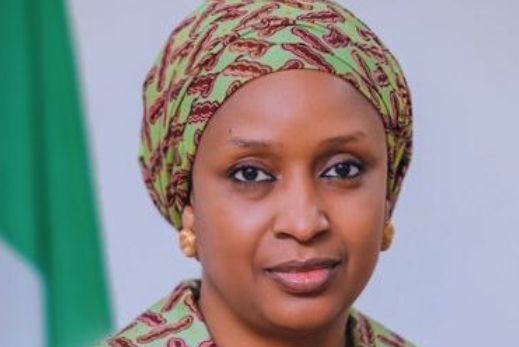
The presidency has urged civil society organisations (CSOs) to complement government efforts in tackling Nigeria’s economic, social, and humanitarian challenges through stronger partnerships that promote sustainable development and improve the well-being of vulnerable communities.
Speaking at the investiture of Sikiru Owonikoko as Rotary International District 9127 governor on Saturday in Abuja, Hadiza Bala Uthman, special assistant to the president on delivery and coordination, emphasised shared responsibility.
Mrs Bala said the government alone could not address the country’s growing challenges and urged organisations such as Rotary International to sustain interventions that improved lives and strengthened support for vulnerable communities nationwide.
“When government is stretched, civil society must be strong. When communities are hurting, service organisations must be present.

“Instead of asking who will fix the country, we must ask, ‘What is my own part in building the country?’” she said.
Mrs Bala said leadership was not defined by public office but by individuals’ willingness to make positive contributions, noting that service, integrity, and responsibility remained essential drivers of national development efforts.
She said teachers, healthcare workers, civil servants, parents, and volunteers all had important roles in national development.
Mrs Bala urged Rotary members to prioritise measurable outcomes, emphasising that interventions should deliver lasting benefits rather than merely attract attention through project inaugurations and ceremonial activities nationwide.
“Our service must be strategic. Service must go beyond inaugurating programmes; it must deliver. We must invest in our young people, restore dignity to our communities, and lead with integrity, empathy, and excellence,” she said.
She added that the true measure of impact was reflected in lasting improvements in people’s lives, particularly where interventions created opportunities, restored hope, and strengthened confidence in leadership.
“The real question is what has changed. Lasting impact is not noise; it is legacy. It is what remains after the cameras leave. It is the child who stays in school.
“It is the community that gets clean water, the young person who chooses hope, and the citizen who begins to believe again because leadership became honest and human,” she added.
Mrs Bala described Mr Owonikoko as a leader whose life exemplified selfless service, noting that his humanitarian contributions had positively affected many lives, often without public recognition or acknowledgement.
Former Kano State Governor Abdullahi Ganduje, emphasised that prevailing security and economic challenges required stronger collaboration between the government and humanitarian organisations.
“We have insecurity and economic challenges, and humanitarian services are needed now more than ever. Rotary is at the centre of this effort,” Mr Ganduje said.
Speaking after his investiture, Mr Owonikoko said his administration would focus on membership expansion, digital transformation, and increased support for members.