
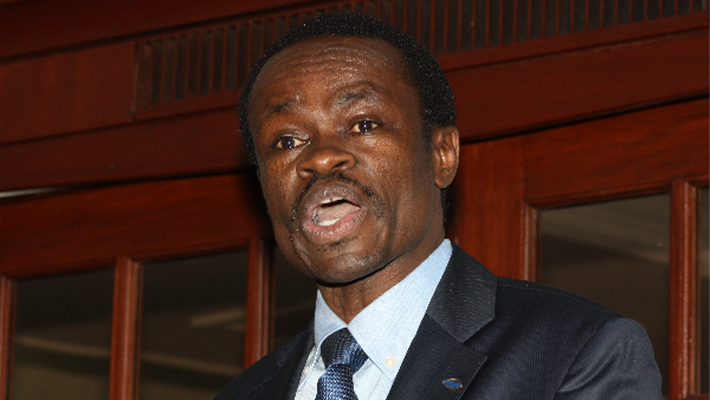
Renowned Kenyan scholar, lawyer and Pan-Africanist Patrick Lumumba has called on Nigeria and the Delta State Government to reduce their dependence on oil by prioritising technology, research, innovation, energy development and stronger African partnerships as drivers of long-term economic growth.
Speaking on Monday at the Delta State Economic and Investment Summit in Asaba, themed “Harnessing Our Strengths, Unlocking Our Potential,” Lumumba described the gathering as an important platform for shaping a stronger economy for Delta, Nigeria and the African continent.
He challenged African leaders to make better use of the continent’s population of more than 1.4 billion people, noting that many young Africans continue to leave the continent in search of opportunities abroad because of limited prospects at home.
Lumumba praised the Delta State Government for recognising its economic strengths in sectors such as oil, agriculture, solid minerals and the blue economy. However, he stressed that abundant resources alone would not guarantee development unless they were properly managed.
Drawing lessons from Norway’s management of its petroleum wealth through a sovereign wealth fund, he urged Delta and Nigeria to adopt global best practices that would secure prosperity for future generations.
He also noted that Delta’s economy was larger than those of more than 20 African countries, saying the state should leverage its economic potential to improve the living standards of its people.
The Pan-Africanist urged governments to invest more in industries that would shape the future, including artificial intelligence, technology, agriculture, pharmaceuticals and the blue economy. He warned that Africa’s heavy reliance on foreign technology and innovation remained a major challenge and called for increased investment in local research and knowledge production.
According to him, Africans must take ownership of initiatives such as the African Continental Free Trade Area (AfCFTA) and stop depending on outsiders to shape the continent’s economic future. He also encouraged African nations to see fellow Africans as strategic investors rather than focusing mainly on Europe, Asia and the Americas.
Lumumba disclosed that through the Pan-African Investment Movement, he and other stakeholders had been promoting cross-border investment among Africans. He urged the Delta State Government to attract investors from countries such as Kenya, Ghana, Ethiopia, Morocco, Egypt and Sudan to strengthen intra-African trade and investment.
He further advocated greater regional integration, saying Africa would only achieve meaningful development if barriers to the movement of people, goods and services were removed. As Africa’s largest economy, he said Nigeria should lead efforts to simplify travel, trade and investment across the continent.
While commending Governor Sheriff Oborevwori for his developmental efforts, Lumumba encouraged the state to place greater emphasis on education, youth empowerment, research and innovation. He said universities should go beyond awarding degrees and become centres for ideas and solutions capable of addressing challenges in agriculture, energy, industry and other sectors.
The scholar also described reliable electricity as a key foundation for industrial development, noting that Nigeria’s power generation remains far below what is required for meaningful economic transformation. He argued that without resolving its energy deficit, the country would struggle to compete globally.
Lumumba concluded by urging Delta State to sustain its development agenda, stressing that true leadership is measured by building institutions and systems that continue to deliver progress long after those in office have left. He added that lasting development should outlive individual administrations and become a legacy for future generations.
Lumumba Calls for Technology, Research-Driven Growth Beyond Oil
90