
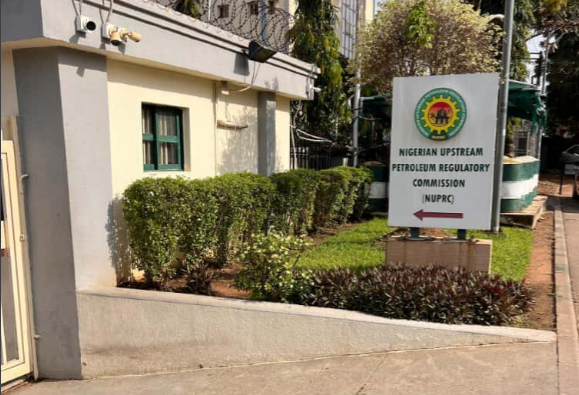
The Nigerian Upstream Petroleum Regulatory Commission (NUPRC) has emphasised the need for closer collaboration between government agencies and industry stakeholders to build a stronger, more competitive petroleum industry capable of driving economic growth and enhancing national energy security.
The commission’s Chief Executive, Oritsemeyiwa Eyesan, made the appeal on Monday while delivering the keynote address at the 49th Society of Petroleum Engineers (SPE) Nigeria Annual International Conference and Exhibition (NAICE 2026) in Lagos.
According to Ms Eyesan, the rapidly changing global energy landscape requires continuous engagement, dialogue, and partnerships to ensure Nigeria remains competitive. She described the SPE conference as one of Africa’s leading technical and strategic gatherings for the energy industry, bringing together regulators, policymakers, researchers, industry experts, innovators, and young professionals.
She noted that since its establishment in 1976, the conference has served as a platform for generating ideas that influence the future of the oil and gas sector. She added that this year’s theme, “Thriving in the Evolving Global Energy Landscape: Collaborative Growth and Resilience,” reflects the industry’s current realities.
Ms Eyesan said the annual gathering has contributed significantly to reforms within Nigeria’s upstream petroleum sector, noting that many ongoing regulatory changes were shaped by recommendations and technical input from professional forums such as the SPE conference.
She explained that regular consultations with operators and other stakeholders had helped the commission develop a transparent, predictable, and investor-friendly regulatory environment.
According to her, effective policies are achieved through collaboration, stressing that listening to stakeholders and working together enables the commission to establish practical, responsive, and forward-looking regulations.
She maintained that resilient energy systems, sustained investment, and long-term industry growth depend on strong partnerships, adding that technical conferences provide opportunities to develop solutions that improve both regulation and the investment climate.
The NUPRC boss encouraged participants to actively contribute ideas, question existing approaches, and recommend practical solutions to challenges confronting the petroleum industry. She assured stakeholders that their recommendations would continue to shape future policies and regulatory decisions.
Expressing confidence in Nigeria’s future, Ms Eyesan said the country possesses enormous advantages, including abundant oil and gas reserves, a growing indigenous petroleum industry, a youthful and skilled workforce, an improving regulatory framework, and a strategic location that links regional and global markets.
She said these strengths would enable Nigeria not only to adapt to the global energy transition but also to play a leading role through innovation, collaboration, and resilient energy systems.
Congratulating the SPE Nigeria Council for successfully organising the conference, she urged stakeholders to move beyond discussions by working together to build an energy industry capable of supporting sustainable economic development and strengthening the nation’s energy security.
Also speaking at the event, the Chief Executive of the Nigerian Midstream and Downstream Petroleum Regulatory Authority (NMDPRA), Rabiu Umar, said Nigeria is steadily positioning itself to become Africa’s refining hub.
Mr Umar pledged that the authority would operate a regulatory system that is firm, fair, and efficient to attract investment, improve energy security, and accelerate growth in the country’s gas sector.
He identified energy security, gas expansion, and regulatory excellence as the authority’s three major priorities, saying they would be pursued through strict compliance with the law, fairness to stakeholders, and faster regulatory processes.
”Our regulatory approach will be firm, fair, and fast,” he said, stressing that predictable regulation is essential for attracting investment and promoting industry growth.
Mr Umar observed that the downstream petroleum sector is experiencing significant transformation with the emergence of large private and modular refineries, a development he said would shift Nigeria from exporting crude oil and importing refined products to becoming a major producer and exporter of refined petroleum products.
He explained that this transition would enable the country to retain greater value from its crude resources while creating additional opportunities in the petrochemical and gas industries.
The NMDPRA chief also disclosed that the authority is working closely with the NUPRC to enforce domestic crude supply obligations to ensure sufficient feedstock for local refineries and support Nigeria’s refining ambitions.
On energy security, he said the authority is prioritising pipeline rehabilitation, strategic petroleum storage, and improved nationwide distribution of petroleum products. He added that collaboration with the Nigerian National Petroleum Company Limited is helping strengthen pipeline integrity, enhance digital monitoring systems, and maintain stable product supply across the country.
Mr Umar described natural gas as a key driver of Nigeria’s energy transition, noting that efforts are underway to increase gas supply for electricity generation, industries, and transportation while expanding the use of liquefied petroleum gas (LPG) and compressed natural gas (CNG).
He further revealed that the authority plans to commence another round of gas distribution licensing after completing a nationwide gas market mapping exercise designed to identify viable distribution clusters and expand gas infrastructure.
On gas pricing, Mr Umar said the government remains committed to implementing a willing buyer-willing seller framework in line with the Petroleum Industry Act as infrastructure improves and market conditions become more favourable.
NUPRC Calls for Stronger Partnerships to Advance Nigeria’s Energy Sector
102