
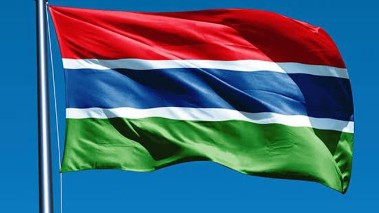
The European Union and the West Africa Network for Peacebuilding (WANEP) convened a forum to promote peaceful and credible elections ahead of The Gambia’s 2026–2027 electoral cycle.
The forum, titled Voices for Peace, was held from September 2 to September 4.
Raphaël Brigandi, deputy head of mission of the EU Delegation to The Gambia, reaffirmed the bloc’s commitment to supporting peace and a nationally led electoral process.
“The Gambia is undergoing a significant democratic journey. The country has made important progress in consolidating its democratic space, encouraging civic participation and creating room for dialogue and reform,” Mr Brigandi said.
“While The Gambia is establishing itself as a beacon of democracy in the region, these gains and status need continuous attention and should not be taken for granted,” he added.
According to the EU delegate, sustaining peace during The Gambia’s elections is a shared responsibility, and the EU is committed to supporting it.
WANEP national coordinator Salama Njie called for transparency and fairness in the conduct of the polls, which she said is the cornerstone of democracy.
‘‘Democracy is not a static achievement. It is a continuous journey that requires constant nurturing, vigilance, and dialogue. Elections are the cornerstone of a democratic society, but they can also strain social cohesion if not managed with transparency, fairness, and mutual respect,” she said.
David Tommy, chair of the National Election Response Group (NERG), said no institution could prevent electoral violence alone, stressing the need for collaboration among state and non-state actors.
He said, ‘‘Effective early warning and early response is a shared responsibility. No single institution can prevent electoral violence alone.
“It requires sustained collaboration and information-sharing among electoral management bodies, state institutions, security agencies, political parties, civil society, the media, traditional and religious leaders, women and youth organisations, development partners and regional institutions.’’
EU, WANEP Rally Stakeholders for Peaceful, Credible Elections in Gambia
79