
Plateau State Commissioner for Health, Nicholas Ba’amlong, has highlighted breastfeeding as a key factor that can contribute to Nigeria’s economic growth by improving family welfare, reducing healthcare expenses and easing financial pressures on households.
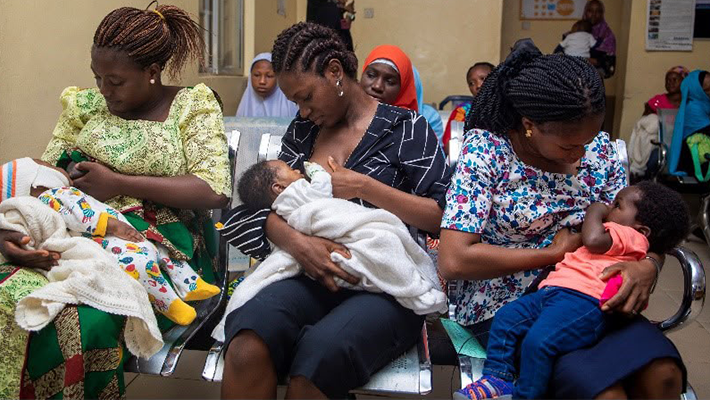
Ba’amlong made the remarks on Monday in Jos during activities marking the 2026 World Breastfeeding Week. He described breastfeeding as one of the most affordable and impactful public health measures, noting that it provides significant health, economic and environmental advantages.
The commissioner explained that exclusive breastfeeding for the first six months of a child’s life helps prevent common childhood illnesses such as diarrhoea, pneumonia and malnutrition, while supporting proper growth and development.
He added that maintaining breastfeeding alongside suitable complementary foods until two years and beyond can lower children’s chances of developing obesity and other non-communicable diseases later in life.
According to him, breastfeeding also offers major health benefits to mothers, including quicker recovery after childbirth, reduced bleeding after delivery and support for natural birth spacing through the Lactational Amenorrhoea Method when properly practised.
Ba’amlong further noted that breastfeeding contributes to long-term maternal health by reducing the risk of breast and ovarian cancers, type 2 diabetes and heart-related diseases.
He said families also benefit financially because breastfeeding reduces spending on infant formula and medical treatment linked to childhood illnesses, helping to improve household stability and overall wellbeing.
The commissioner pointed out that breastfeeding supports environmental protection by reducing the need for the production, packaging and transportation of breast milk substitutes, which helps cut waste, pollution and carbon emissions.
He reaffirmed the Plateau State Government’s commitment to strengthening maternal, newborn, child and adolescent nutrition through evidence-based programmes aimed at improving healthcare services and encouraging proper breastfeeding practices.
Ba’amlong said the government would continue to promote early breastfeeding within one hour of birth, exclusive breastfeeding for six months, continued breastfeeding beyond infancy and the expansion of baby-friendly healthcare initiatives.
He urged mothers, families, communities, health workers and development organisations to support breastfeeding, describing it as an important investment in children’s health, development and future prospects.
World Breastfeeding Week is observed every year from August 1 to 7 to promote awareness and encourage global efforts towards improving maternal and child nutrition.
Breastfeeding Can Boost Nigeria’s Economy Through Healthier Families, Says Plateau Health Commissioner
98