
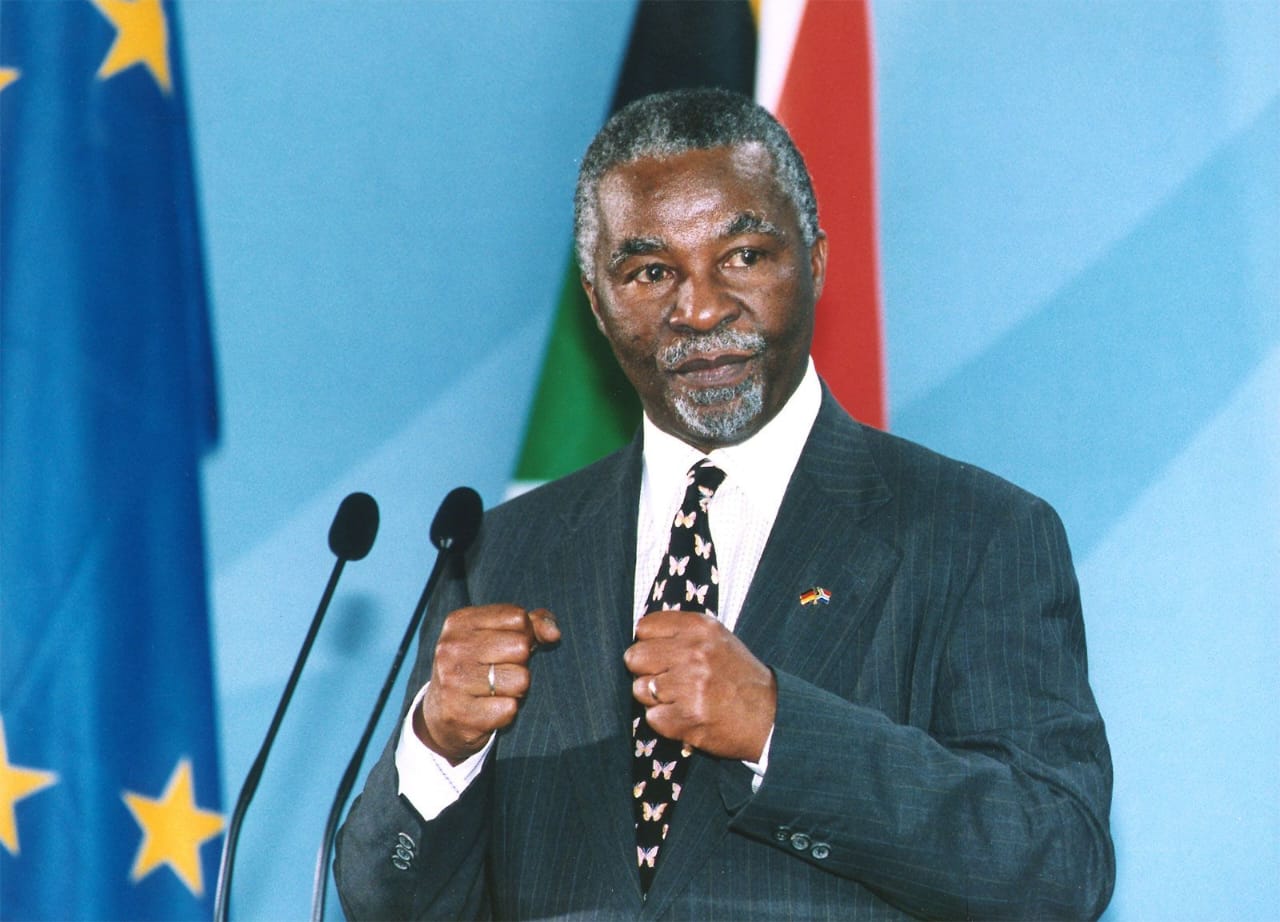
Johannesburg – A Pan-Africanist and former President of South Africa has spoken candidly on the economic fallout South Africa could face if the continent retaliates against xenophobic attacks by boycotting its key exports.
The ex-leader warned that South Africa’s wine and citrus industries, especially oranges, are among the most exposed to African markets and would suffer immediately if countries decided to act collectively.
“He is very right,” analysts say, pointing to South Africa’s position as the world’s 7th largest wine exporter and a top global supplier of citrus. African countries remain major buyers of both products, and a coordinated boycott would disrupt jobs and foreign exchange earnings.
“South Africa trade can be affected if Africa decides to boycott the wines and oranges over xenophobic attacks,” the former president said during a candid engagement on Pan-African unity and trade. He stressed that economic interdependence means punitive actions rarely hurt one side alone.

The warning comes amid renewed concerns over xenophobic violence targeting African nationals in South Africa. Trade experts note that boycotts of agricultural exports have been used before as diplomatic pressure, and wine and oranges are highly visible, consumer-facing products.
South Africa exported over R12 billion worth of wine and R25 billion worth of citrus in recent years, with a significant share going to African markets. The Western Cape wine industry and Eastern Cape/Limpopo citrus growers employ hundreds of thousands of workers.
The former president urged dialogue and stronger Pan-African solidarity instead: “We must address the root causes of xenophobia before trade becomes the battleground.”
Source: Remarks by former South African President, June 2026