By Blessing Yashim
A child walks into a neighbourhood shop to buy biscuits, sweets or chewing gum. These confectionery items are what children buy every day. But somewhere on the same aisle, display glasses, different brands of cigarettes and electronic nicotine products with candy-like branding are now being displayed side by side with products meant for children.
Simply put, the industry is trying to reinforce in the minds of children and non-smokers that trying these bright, flavoured and appealing products could give the same vibes as being hooked on the sugar rush these candies are supposed to provide.
This is what the everyday shopping experience of most Nigerians is like when they visit retail stores in big cities and patronise their local street grocer. And that raises an important question about how tobacco products continue to gain visibility in Nigerian communities despite existing laws restricting their advertising and promotion.

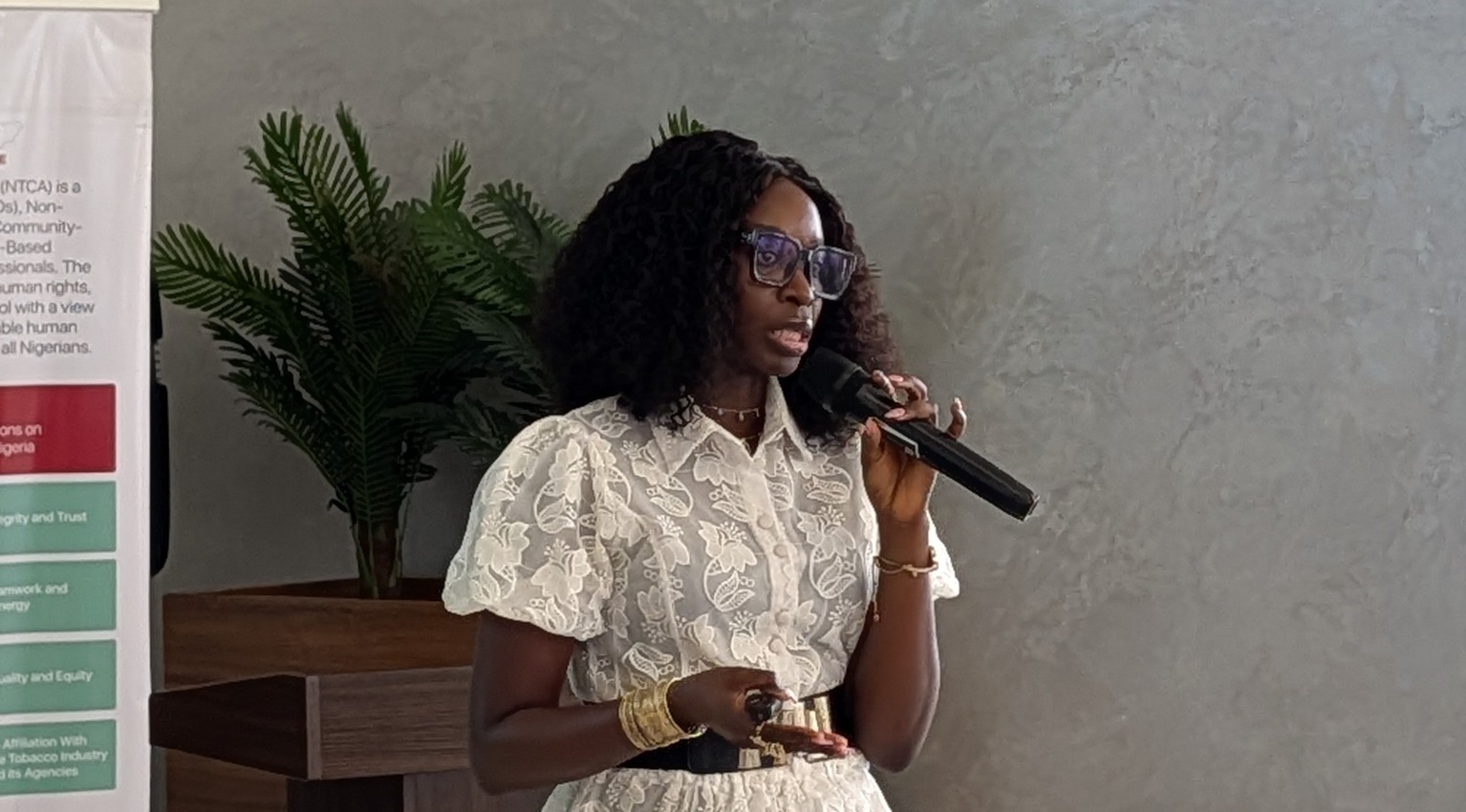
In a new report titled How Tobacco Industry Undermines Public Health Rules in Nigeria, the Nigeria Tobacco Control Alliance (ntca) exposes how tobacco companies are using a combination of corporate partnerships, retail displays, social media marketing and entertainment culture to maintain their visibility and influence across the country.
Between January and August 2026, NTCA monitored tobacco industry activities in the Federal Capital Territory and ten states: Abia, Edo, Kaduna, Katsina, Lagos, Nasarawa, Ogun, Ondo, Oyo and Rivers.
The exercise produced 57 submissions. After verification, NTCA identified 42 distinct incidents. Of these, 15 incidents, representing 35.7 per cent, involved corporate social responsibility activities and engagements with public institutions. The remaining 27, representing 64.3 per cent, involved tobacco advertising, promotion and sponsorship through various channels.
Behind these figures are activities that increasingly bring tobacco products and the companies behind them into spaces where Nigerians work, shop, socialise and access public opportunities.
When corporate generosity becomes a public relations opportunity
For many young Nigerians, opportunities to access business grants, employment programmes and agricultural support can make a significant difference. In a country where economic opportunities matter to young graduates and aspiring entrepreneurs, initiatives offering financial support naturally attract attention.
The report documents how British American Tobacco Nigeria (BATN), through its foundation, the British American Tobacco Nigeria Foundation (BATNF), has established programmes around agriculture, youth employment, food security and economic empowerment.
One of these is the Farmers for the Future programme, implemented in partnership with the National Youth Service Corps (NYSC).
In January 2026, the NYSC and BATNF renewed their partnership for another three years. The agreement included promoting the programme through orientation camps and the NYSC’s communication channels.
According to the report, the NYSC Director-General disclosed in December 2025 that approximately 400,000 corps members are mobilised annually. Although only six corps members were projected to receive financial grants in the 2026 cycle, the programme’s association with the NYSC shows how BATNF always uses CSR to make its industry look good in the eyes of the populace.
Another initiative, the Graduate Agripreneur Programme, reached graduates across four public universities: the Federal University of Agriculture, Abeokuta; the University of Ilorin; the University of Ibadan; and Michael Okpara University of Agriculture, Umudike.
These interventions go beyond the assistance provided; they are about the public image and institutional relationships that tobacco companies always try to build through these programmes.
When government agencies, universities and public institutions associate themselves with tobacco-funded initiatives, the companies gain undue visibility.
The influence extends beyond charity
The report also documents engagements between BAT Nigeria and government institutions.
In February 2026, the Nigeria Social Insurance Trust Fund and the Nigeria Employers’ Consultative Association recognised BAT Nigeria under the Safe Workplace Intervention Project, presented by the Federal Ministry of Labour and Employment. However, there have been documented reports that the company has been sued by some of its workers over safety issues and exposure to harmful incidents during their employment.
In June 2026, the Nigeria Customs Service signed a memorandum of understanding with BAT Nigeria to combat the illicit tobacco trade through intelligence-sharing, capacity-building and coordinated enforcement.
This has raised some concerns about the importance of such relationships. A tobacco company subject to public regulation should not be associated with government institutions that give its commercial interests the appearance of public responsibility.
The report also documents how Japan Tobacco International Nigeria promoted workplace diversity, gender equity, and its Impact X graduate development programme, further demonstrating how tobacco companies consistently position themselves around important social issues.
The marketing Nigerians encounter without looking for it
Away from government offices and corporate programmes, the report identifies another concern in street kiosks, neighbourhood corner shops, and now online and social media spaces.
Field monitors found cigarette packs displayed alongside biscuits, chewing gum, confectionery and inexpensive snacks. Some outlets had cigarette cartons openly positioned on counters, while others displayed them in cabinets shared with sweets.
In one documented example, a retail outlet displayed cigarette packs alongside a sign reading “Cigarettes Sold Here”, bearing a crossed-out 18 symbol.
The concern is that children and young people can encounter tobacco branding during routine shopping, even when they have no intention of purchasing tobacco products.
The unregulated digital channels present another challenge. NTCA monitors identified online advertisements for electronic cigarettes, heated tobacco products and flavoured nicotine pouches.
Some products were promoted using flavours such as piña colada, bubble gum, purple rain and melon ice. Instagram and Facebook advertisements featured young models vaping, with colourful packaging and lifestyle imagery built around friendship, personal style and belonging.
Although some retailers included notices stating that their products were intended for adults aged 18 and above, their social media pages remained publicly accessible.
When entertainment makes smoking look fashionable
Perhaps one of the most striking findings concerns the growing association between smoking and celebrity culture.
The report documents smoking imagery in concert promotions, music videos and social media content involving prominent Nigerian musicians.
A promotional graphic posted on Naira Marley’s verified Instagram account for an Abuja concert featured a smoking silhouette and attracted tens of thousands of likes and shares.
The report also identifies smoking imagery in Seyi Vibez’s music video for “My Healer” and the visualiser for “Already” by BNXN and Sarz. It further references musician Rema’s public description of smoking as his “biggest vice”.
Cultural celebrations have also become part of this conversation.
Images of Farooq Oreagba arriving at the 2024 Ojude Oba festival on horseback with a lit cigar attracted widespread attention. According to the report, cigar retailers subsequently used the publicity surrounding his appearance to offer gifts and create social media content linking their products to his image and style.
These examples raise concerns about how smoking becomes associated with fashion, celebrity, creativity and social status, particularly among younger audiences who follow popular entertainment figures.
The bigger question is what happens next
The Federal Ministry of Health and Social Welfare, relevant regulatory agencies and other government institutions must demonstrate greater accountability in their dealings with tobacco companies. This requires strict enforcement of existing tobacco-control laws, transparency in all interactions with the industry, effective monitoring of retail and digital marketing activities, and an end to partnerships and corporate social responsibility arrangements that risk giving tobacco companies access to public institutions or the appearance of public endorsement.
Government agencies must also take responsibility for ensuring that tobacco industry activities are independently monitored and that violations are promptly investigated and sanctioned.
Government institutions must be able to account for what is displayed in neighbourhood shops, what appears on young people’s social media feeds, what messages are communicated through entertainment, and the nature of relationships between public institutions and tobacco companies.
Nigeria has established a legal framework for tobacco control. What is now required is the political will, institutional commitment and sustained enforcement needed to ensure that these protections translate into real safeguards for the population, particularly the next generation.