
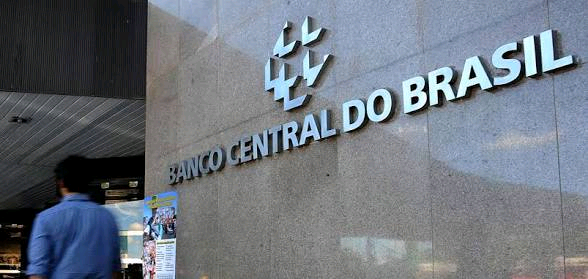
Brazil’s central bank has reduced its benchmark interest rate for the third straight meeting, opting to support economic activity despite lingering inflationary pressures and global uncertainty.
The country’s key Selic rate was lowered by 0.25 percentage points to 14.25 per cent on Wednesday, a move widely anticipated by financial analysts and market observers.
In a statement, the Monetary Policy Committee (Copom) said the decision was taken cautiously, noting that inflation forecasts remain above the government’s target range. Policymakers stressed that the economic outlook continues to require close monitoring.
The latest rate cut offers a boost to President Luiz Inácio Lula da Silva, who has consistently pushed for lower borrowing costs since returning to office in 2023. Lula argues that high interest rates have constrained growth in Latin America’s largest economy by making loans more expensive and discouraging spending and investment.
Brazil’s central bank began easing monetary policy in March after keeping rates unchanged for nearly two years. However, escalating tensions in the Middle East and rising energy costs had previously raised concerns about inflation, prompting a more measured approach to further reductions.
Although recent diplomatic efforts between Washington and Tehran have eased fears of a prolonged conflict, Copom said uncertainties surrounding the agreement’s details continue to cloud the global economic outlook.
Inflationary pressures have remained persistent worldwide, and Brazil has not been spared. Since the outbreak of the Middle East conflict earlier this year, consumer prices in the country have continued to rise, increasing pressure on households and businesses.
The cost-of-living challenge is expected to feature prominently in the campaign ahead of Brazil’s presidential election in October. Current opinion polls place Lula ahead of his closest challenger, conservative senator Flávio Bolsonaro, the son of former president Jair Bolsonaro.
The quarter-point reduction aligns with expectations across most of Brazil’s financial sector, reflecting growing confidence that inflation can be managed while providing additional support for economic growth.
Again, Brazil Cuts Key Interest Rate Despite Inflation Risks
128