
Nigeria and China have reaffirmed commitment to strengthening tourism cooperation, cultural exchanges and capacity building during an online seminar on China’s tourism development experience.
The event was organised by the China Cultural Centre in Nigeria in collaboration with the Nigeria Tourism Development Authority (NTDA), the National Institute for Hospitality and Tourism (NIHOTOUR) and other tourism stakeholders.
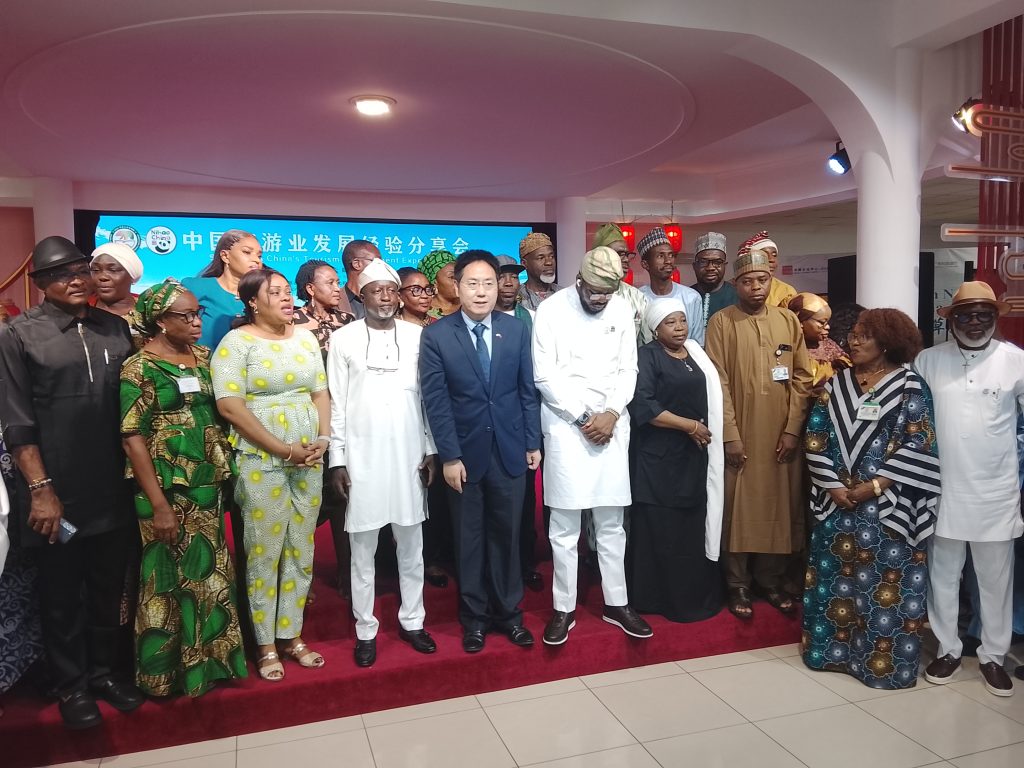
Director of the China Cultural Centre, Yang Jianxing, said “tourism and education had become increasingly intertwined, noting that the governments of both countries attached great importance to people-to-people exchanges and tourism cooperation.”
According to him, “China and Nigeria have in recent years engaged in active exchanges in tourism, education, hotel management, destination development and promotion.”

He said “the seminar was designed to address specific questions and development needs identified by Nigerian tourism stakeholders, with the requests forwarded to the keynote speaker to ensure the discussions were relevant to Nigeria’s tourism aspirations.”
Yang noted that “China’s tourism sector had accumulated valuable experience in public tourism services, destination development, culture-tourism integration, smart tourism, market promotion and talent development.”
He expressed hope that the engagement would move beyond a one-way presentation and become a platform for mutual learning.
“We look forward to strengthening cooperation in tourism development, vocational education, hotel management, ecotourism, cultural heritage preservation, tourism digitalisation, destination marketing and business partnerships,” he said.
Yang also stressed that tourism fosters mutual understanding and friendship, creates jobs, promotes economic growth and brings people closer.
Speaking at the seminar, Director-General of NIHOTOUR, Aare Abisoye Fagade, said “the programme came at a significant period for Nigeria as the country pursues economic diversification, job creation and human capital development under President Bola Tinubu’s Renewed Hope Agenda.”
Fagade said “his recent participation in a tourism development programme in Beijing provided first-hand insight into how China had deliberately used tourism as a tool for economic development, cultural preservation, rural revitalisation, skills development and community prosperity.”
“The experience reinforced a conviction I have long held. Nigeria does not lack tourism assets. What we must strengthen is the system that converts those assets into sustainable economic value,” he said.
He explained that NIHOTOUR’s mandate extends beyond training individuals to building a skilled workforce, professional culture and institutional capacity capable of making tourism a major contributor to Nigeria’s economy.
Fagade identified opportunities for deeper collaboration between NIHOTOUR and Chinese institutions, particularly the China Tourism Academy, in areas including professional training, curriculum development, tourism research, digital transformation, rural tourism, cultural tourism and destination management.
While advocating lessons from China, he emphasised that Nigeria must develop a model suited to its own realities.
“China’s experience should not be copied mechanically. We should learn from what China has done, adapt it to Nigerian realities and build a uniquely Nigerian tourism model,” he said.
Representing the Director-General of the NTDA, who is currently on a working visit to China, an NTDA official described the seminar as timely, particularly as Nigeria and China mark 55 years of diplomatic relations.
The official said “China’s transformation into one of the world’s leading tourism destinations offered valuable lessons in strategic planning, infrastructure development, destination branding, digital innovation, human capital development and public-private sector collaboration.”
He noted that Nigeria could benefit from these experiences while adapting them to its own cultural, natural and socio-economic environment.
According to him, the seminar provided an opportunity to explore practical areas of cooperation, including tourism investment, capacity building, destination development, cultural exchanges, research and innovation, as well as increased tourist flows.
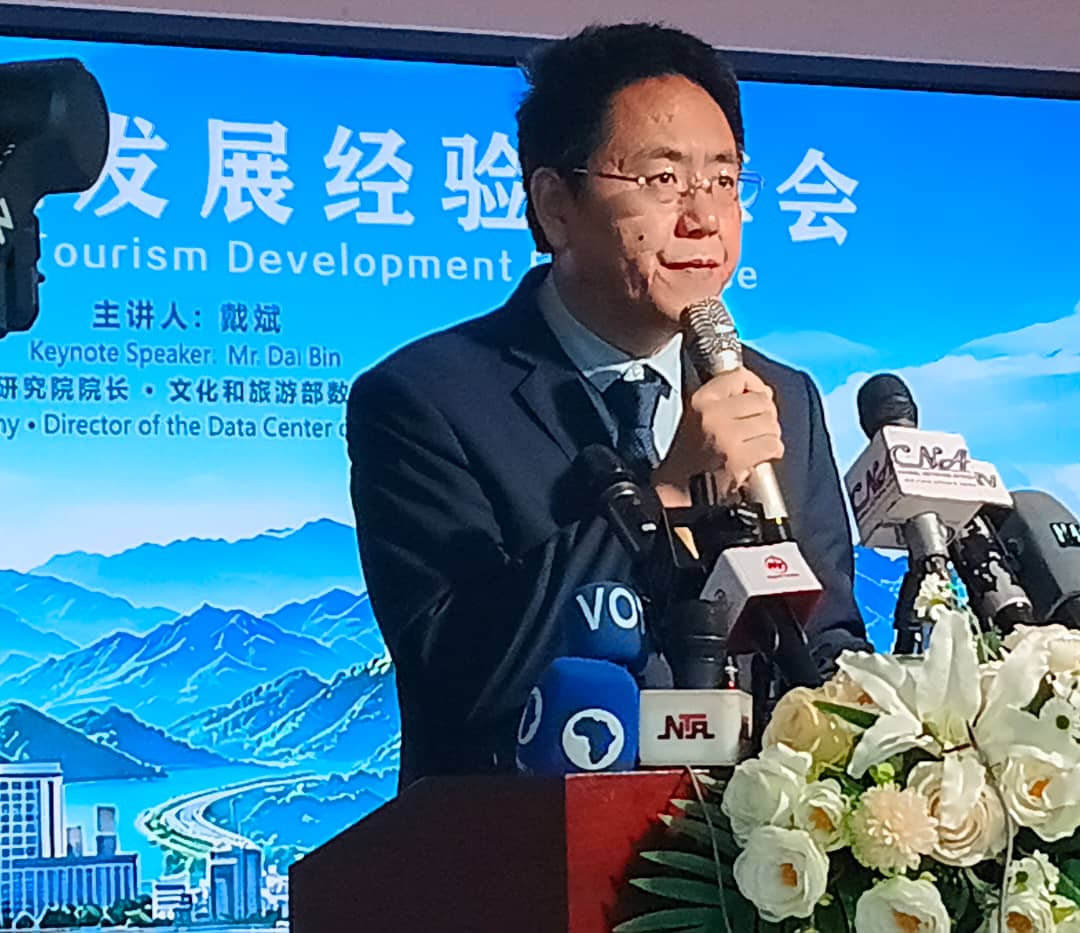
Delivering the keynote, President of the China Tourism Academy and Director of the Data Centre of China’s Ministry of Culture and Tourism, Dai Bin, highlighted several areas of growing collaboration.
He noted that “both countries were leveraging their iconic cultural and heritage assets, including China’s Great Wall and Mount Tai, as well as Nigeria’s Osun-Osogbo Sacred Grove and Zuma Rock, to strengthen cultural diplomacy and mutual understanding.”
Dai pointed to initiatives such as the China-Nigeria Cultural and Tourism Festival, China Tourism Day celebrations and Happy Chinese New Year events hosted by the China Cultural Centre in Abuja, describing them as important platforms for people-to-people engagement.
He also highlighted the growing role of food tourism through programmes such as the Nigeria-China Food Festival, which promotes culinary heritage, hospitality value chains and entrepreneurship.
According to him, cooperation has expanded into creative industries through exchanges in film, literature and performing arts, including specialised training opportunities for Nigerian performers in China.
Dai further underscored the importance of capacity building, tourism education, hospitality management, destination marketing and tourism site management as key areas where Nigeria could benefit from China’s experience.
He noted that tourism remains central to Nigeria’s efforts to diversify its economy, attract investment, create jobs and empower local communities, particularly through cultural industries and community-based tourism initiatives.
Participants expressed optimism that the seminar would strengthen tourism ties and contribute to sustainable tourism development, cultural understanding and broader economic cooperation between Nigeria, China and other African nations.